Satoshi Nakamoto And The Quiet Rebellion That Changed Money Forever
In 2010, a programmer paid 10,000 Bitcoin for two pizzas.
At the time, it didn’t feel historic. It felt practical. A novelty experiment. A strange internet trade between two people curious enough to see if this new digital money could actually buy something real.
Nobody thought much about it. Least of all the person who created Bitcoin.
What makes that transaction unforgettable today isn’t the price of the pizzas. It’s what had to fail first for Bitcoin to exist at all.
When The System Finally Cracked
In 2008, the world watched the financial system do something it wasn’t supposed to do.
Banks collapsed under the weight of their own risk-taking. Governments stepped in, not to rebuild the system, but to prop it up. Trillions of dollars were created overnight. Ordinary people paid the price. Homes were lost. Savings evaporated. Trust disappeared.
The system that claimed to reward discipline and responsibility revealed something uncomfortable. It protected itself first.
Most people reacted emotionally. Anger. Confusion. Fear. A sense that the rules applied differently depending on where you stood.
One person reacted structurally.
A Document That Arrived Without Permission
On October 31, 2008, a short technical paper appeared on a cryptography mailing list. It didn’t come with marketing. It didn’t ask for attention. It didn’t promise riches.
The author used the name Satoshi Nakamoto.
The title was deliberately plain : Bitcoin: A Peer-to-Peer Electronic Cash System.
The reaction was muted. Experienced cryptographers skimmed it and moved on. They had seen versions of this idea before. Digital money had been attempted many times and had failed every time.
Some failed technically. Others failed politically. All of them relied on trust somewhere in the system.
Satoshi Nakamoto wasn’t offering an improvement. He was removing the assumption entirely.
The problem None Had Beaten
Digital money always ran into the same wall.
If something exists digitally, it can be copied. If it can be copied, it can be spent twice. Preventing that had always required a central authority to keep score. A bank. A ledger. A trusted intermediary.
Satoshi’s insight wasn’t louder or more complicated. It was quieter.
Instead of asking who should be trusted, he asked how trust could be made unnecessary.
The blockchain wasn’t just code. It was a shift in logic. A public ledger that anyone could inspect. A system where verification replaced belief and consensus replaced authority.
It didn’t ask anyone to approve it. It simply worked.
A Network Begins ... Almost Unnoticed
On January 3, 2009, Bitcoin went live.
The first block contained a message hidden inside its code. A newspaper headline from that day: “Chancellor on brink of second bailout for banks.”
It was subtle, but it was intentional. Bitcoin wasn’t created despite the failure of the old system. It was created because of it.
For months, almost nobody used it. There was no momentum to point to. No traction graph. No success story.
Satoshi kept going anyway. Writing code. Fixing problems. Answering questions in forums with patience and precision. There was no reason to believe this would matter. And yet, the work continued.
The Moment It Became Real
Then came the pizzas.
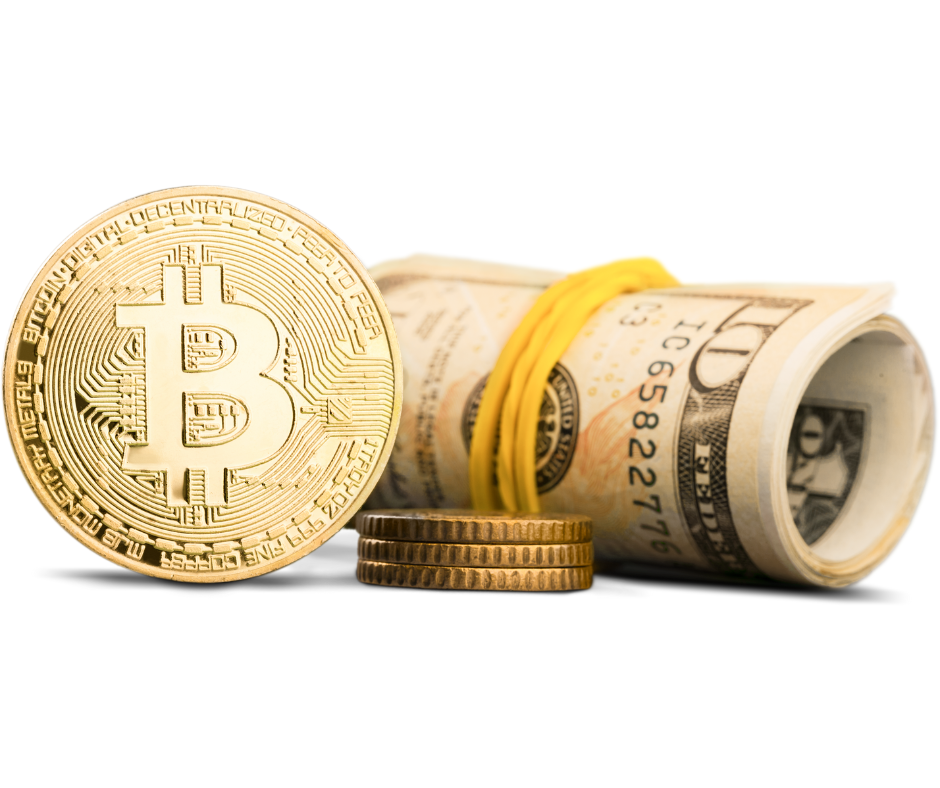
Ten thousand Bitcoin exchanged for something tangible. Something ordinary. That moment mattered more than anyone realized at the time.
It proved Bitcoin wasn’t just an idea. It was money because someone accepted it as money. No decree. No permission. No institution validating it.
Just agreement.
And then, something even stranger happened.
The Creator Stepped Away
In 2011, Satoshi Nakamoto disappeared.
No announcement. No explanation. One final message saying they had “moved on to other things.” The Bitcoin attributed to Satoshi was never touched. No cash-out. No interviews. No attempt to steer the narrative.
There was no founder left to argue with. No authority to challenge. No personality to attack.
Bitcoin became stronger because of it.
What Was Left Behind?
Today, Bitcoin is measured in trillions. Entire industries exist because of the ideas Satoshi introduced. Blockchain technologies underpin supply chains, digital ownership, financial systems, and experiments that didn’t even exist when the whitepaper was written.
But Satoshi never asked for credit.
That might be the most NoRuleBook part of the story.
What Readers Can Take Away
Satoshi Nakamoto didn’t chase attention. He responded to a broken system with a better structure.
When everyone else argued about how to fix the existing rules, he asked whether those rules were necessary at all. When experts dismissed the idea, he kept working. When success finally appeared, he walked away.
There’s a lesson here that goes far beyond Bitcoin.
The biggest opportunities rarely look like opportunities at first. They look like frustration. Like dysfunction. Like a system everyone complains about but assumes can’t change.
You don’t need permission to build something better. You don’t need consensus to begin. And you don’t need recognition for your work to matter.
If something feels fundamentally broken in your industry, pay attention to that feeling. It might be pointing you toward the work that actually matters.
Satoshi Nakamoto proved that one person, quietly and methodically, can rewrite the rules simply by refusing to accept that the existing ones are permanent.


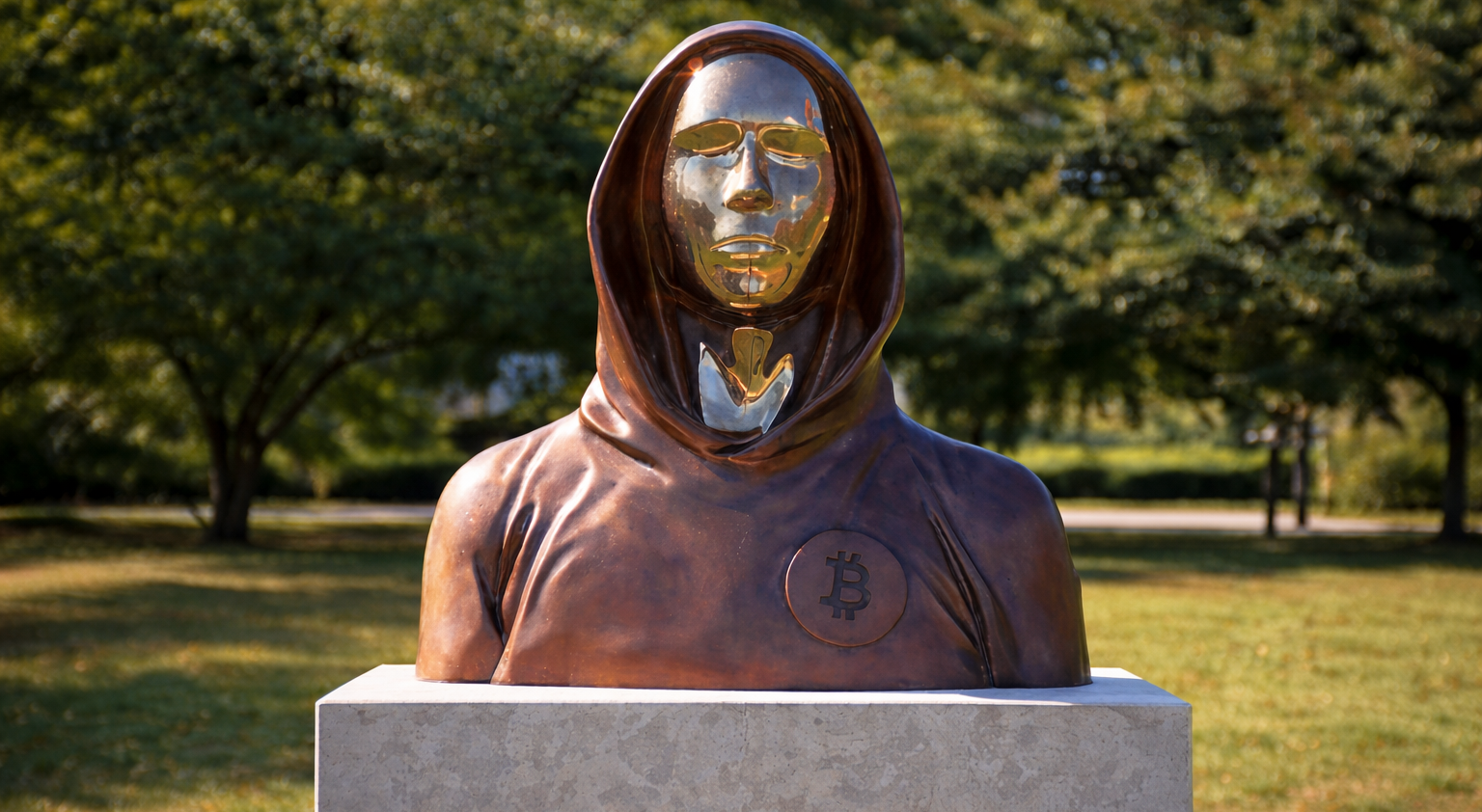

 On January 3, 2009, Bitcoin went live.



 Submitted 1.0
 Manual 5.0