History rarely changes because everyone agrees to keep doing things the way they’ve always been done. Again and again, progress begins with someone questioning an idea, convention or system that almost everyone else has learned to accept.
Some challenged scientific beliefs that had stood for centuries. Others confronted social customs, built businesses that shouldn’t have worked, created technologies nobody thought were necessary, or refused to accept restrictions imposed by governments, industries and institutions.
They weren’t always celebrated for it. Many were dismissed, ridiculed, opposed or regarded as unrealistic — and some paid an enormous personal price for refusing to conform.
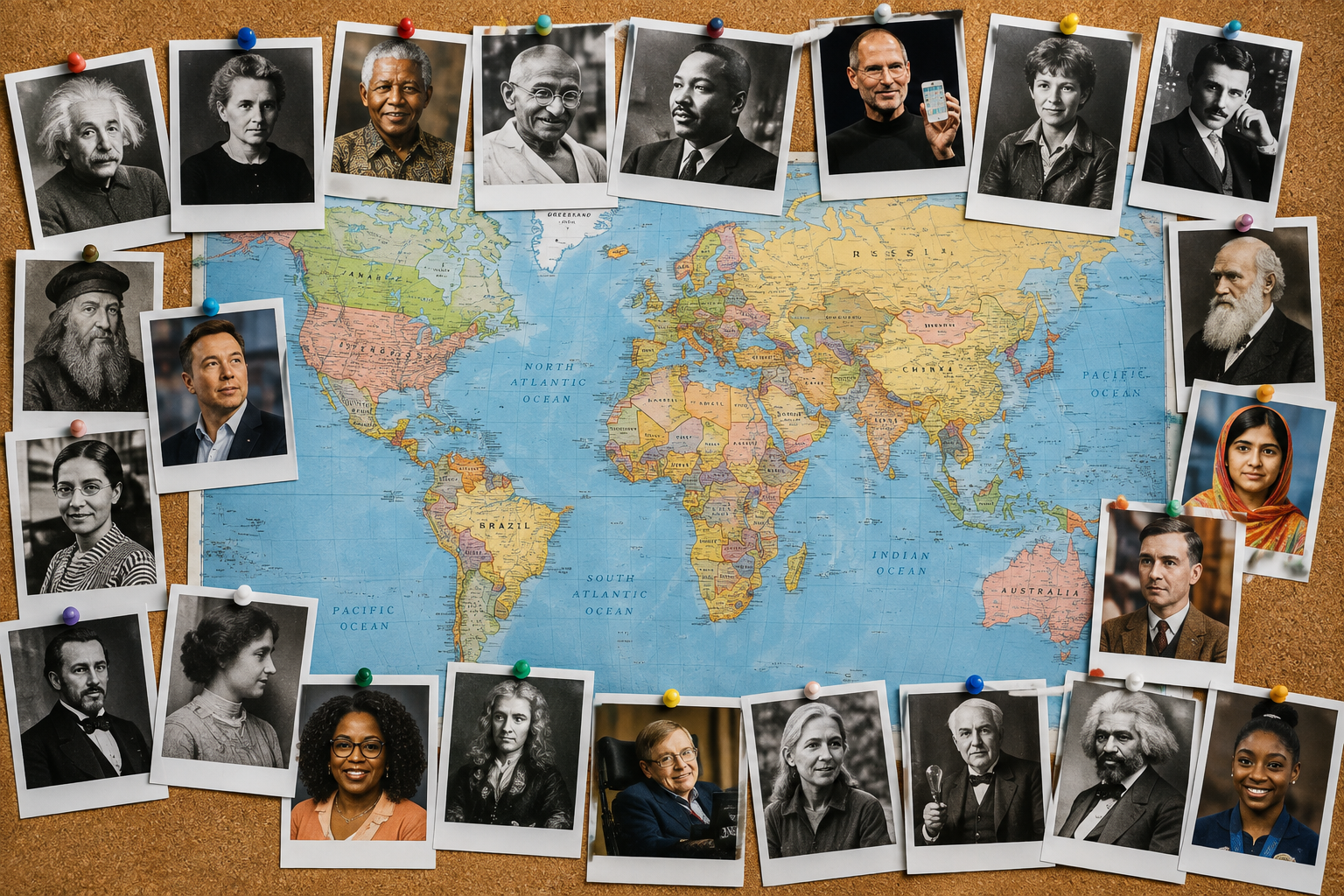
The 50 people below come from different countries, centuries and fields, but they share something important: Each encountered a rule about how the world was supposed to work and decided it didn’t have to remain that way.
These are 50 people who didn’t simply succeed within the existing rulebook. In one way or another, they helped rewrite it.
Science And Discovery
Galileo Galilei
When Galileo argued that Earth revolved around the sun, the Church declared him a heretic. He was forced to recant his ideas under threat of imprisonment. But the evidence he championed helped ignite the scientific revolution.
Darwin’s theory of evolution shattered long-held beliefs about humanity’s place in creation. When On the Origin of Species was published in 1859, it triggered outrage and debate that still echoes today.
Tesla imagined a world powered by wireless electricity and alternating current when most of the world barely understood electricity itself. His ideas were often dismissed, yet modern power systems are built on his breakthroughs.
Einstein challenged the entire framework of classical physics with his theory of relativity. Many scientists initially doubted him, but his work reshaped our understanding of time, space, and the universe.
At a time when women were rarely allowed in scientific circles, Marie Curie pursued groundbreaking research into radioactivity. She became the first person to win two Nobel Prizes.
Jobs rejected the idea that computers should be technical machines for specialists. Instead, he believed technology should be beautiful, intuitive, and personal. Apple’s products changed entire industries.
Before Ford, cars were luxury items built slowly by craftsmen. Ford ignored traditional manufacturing rules and created the moving assembly line, making automobiles affordable for ordinary people.
I also want to give special mention to Claudette Colvin who was actually the first black women to give up her bus seat, 9 months before Rosa Parks. Interestingly the civil rights campaigners didn’t want her to be the face of the movement as she was a ‘bad girl (unmarried and pregnant at the time). Hence why Rosa Parks became the champion of their equal rights cause.
Martin Luther King Jr.
King challenged deeply entrenched segregation laws through peaceful protest and moral courage.
Malala defied extremists who tried to stop girls from receiving education. Even after surviving an assassination attempt, she continued advocating for education worldwide.
Rowling’s Harry Potter manuscript was rejected by multiple publishers before finally being accepted. Her story became one of the most successful literary franchises ever.
Across centuries and cultures, rule breakers share several traits.
They question authority. They refuse to accept “the way things are.” They tolerate criticism and rejection.
But perhaps most importantly, they act.
History does not move forward because people follow instructions. It moves forward because someone decides the instructions are wrong.
Reader Reflection
Which rule breakers inspire you most?
And more importantly — which rules in your own life might be worth questioning?
The 50 rule breakers above did not wait for permission. They rewrote the rulebook.
Take The Next Step
The fifty people in this collection challenged very different rules, in very different places and at very different moments in history. Some confronted governments and institutions, others challenged scientific assumptions, cultural expectations or industries that seemed impossible to change. What connects them is not simply that they were rebellious, but that at some point they were willing to question something the rest of the world had learned to accept.
Their stories also remind us that rule breaking does not have to mean changing history. Most of the rules shaping our own lives are much quieter than that: expectations about what a successful career should look like, when we should retire, what risks are considered sensible, how old we are supposed to be before certain opportunities have passed, or what other people expect us to do next.
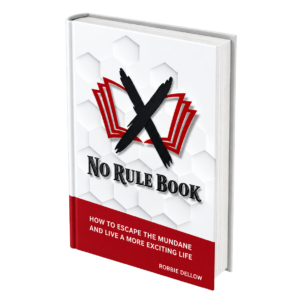
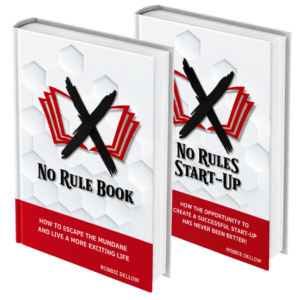
NoRuleBook explores those less visible rules and asks a much more personal question: which ones are genuinely helping you build the life you want, and which ones are you following simply because you never thought to question them?
Click the NoRuleBook image below to explore the collection.

 Galileo Galilei
 Charles Darwin
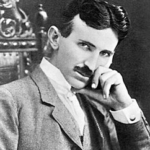 Nikola Tesla
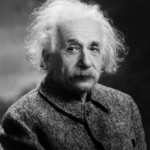 Albert Einstein
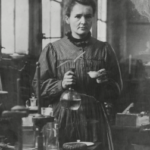 Marie Curie
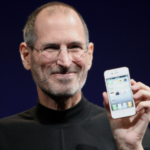 Steve Jobs
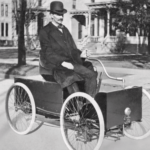 Henry Ford
 Richard Branson
 Elon Musk
 Sara Blakely
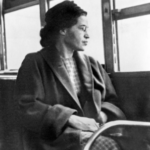 Rosa Parks
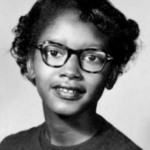 I also want to give special mention to Claudette Colvin who was actually the first black women to give up her bus seat, 9 months before Rosa Parks. Interestingly the civil rights campaigners didn’t want her to be the face of the movement as she was a ‘bad girl (unmarried and pregnant at the time). Hence why Rosa Parks became the champion of their equal rights cause.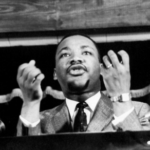

























 Submitted 1.0
 Manual 5.0