

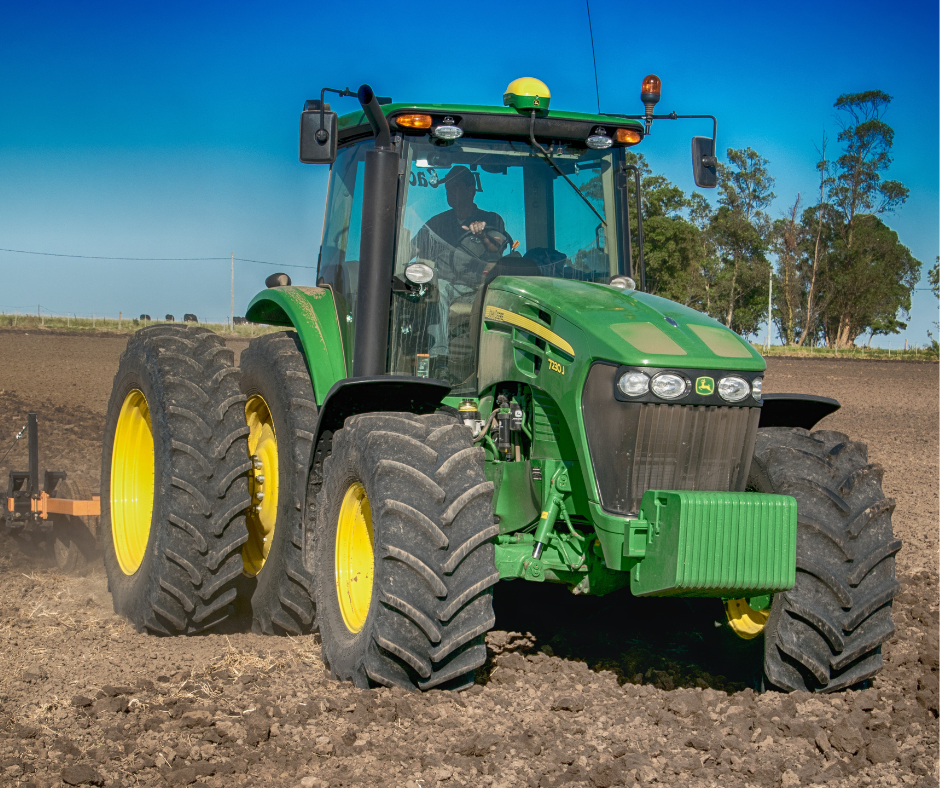
He was drowning in debt. He had five children to feed and no future in sight.
Most men would have given up. But John Deere wasn’t most men.
In 1837, Deere’s life was collapsing. His blacksmith shop in Vermont had failed. Creditors were circling. The local economy was dead. He had every reason to surrender — but instead, he did something extraordinary.
He walked away from everything.
Not to escape, but to begin again on his own terms.
He left Vermont and headed west — toward the wild frontier of Illinois, where land was cheap and opportunity still existed for those brave enough to take it.
It was a bold move. A rule-breaking move.
And it changed the course of his life — and American history.
Turning Failure into Fire
In Grand Detour, Illinois, Deere found farmers locked in battle with the prairie soil.
The land was rich, but the heavy, sticky earth destroyed every cast-iron plow they used.
It clung to the blade like cement. Every few feet, the farmers had to stop and scrape it clean.
Where others saw frustration, John Deere saw a challenge.
He remembered how polished steel saw blades back in Vermont cut cleanly through wood.
What if a plow was made from that same kind of polished steel?
With nothing but a broken sawmill blade and a burning determination to find a better way, Deere heated, hammered, and shaped steel into a curved plow blade. He polished it until it gleamed like a mirror.
That first plow sliced through the prairie like butter.
The soil slid off the shining steel — smooth, effortless, unstoppable.
Word spread. Farmers came from miles away to see this miracle in motion.
And in that moment, a bankrupt blacksmith became an innovator.
The Obsession That Built an Empire
But John Deere didn’t stop there.
Success wasn’t enough — excellence was his obsession.
He personally inspected every plow that left his shop. If it wasn’t perfect, it didn’t carry his name.
He experimented with new designs, adjusted every curve, and sought better steel.
His motto said it all:
“I will never put my name on a product that does not have in it the best that is in me.”
That philosophy wasn’t a slogan — it was his way of life.
He wasn’t building tools. He was building trust.
And that trust became the foundation of one of the most enduring companies on Earth.
By 1857, Deere’s workshop was producing over 10,000 plows a year.
By the time he died in 1886, his company was a symbol of integrity, quality, and resilience — values that still define the John Deere name nearly two centuries later.
The NoRuleBook Philosophy
John Deere’s story isn’t just about farming or forging steel.
It’s about defying limits — and living by a personal code of excellence rather than society’s rules.
When life collapsed, he didn’t stay trapped by expectation.
He refused to settle for mediocrity.
He chased perfection — not because anyone asked him to, but because he couldn’t live any other way.
That’s the NoRuleBook philosophy in action:
When you’re surrounded by failure, build something worth your name.
When others compromise, refuse.
When the world says “good enough,” aim higher.
John Deere didn’t follow the rules — he rewrote them.
He proved that quality isn’t a strategy; it’s a statement of who you are.
It’s the difference between a fleeting success and a legacy that lasts centuries.
Final Thought
The next time you see that leaping deer and those iconic green machines, remember what they stand for:
One man. One broken blade. One relentless obsession to create something better.
John Deere built his empire not by chasing money — but by chasing mastery.
He turned adversity into innovation, failure into fire, and craftsmanship into a philosophy.
Because when you live by your own rulebook and pour the best of yourself into everything you create —
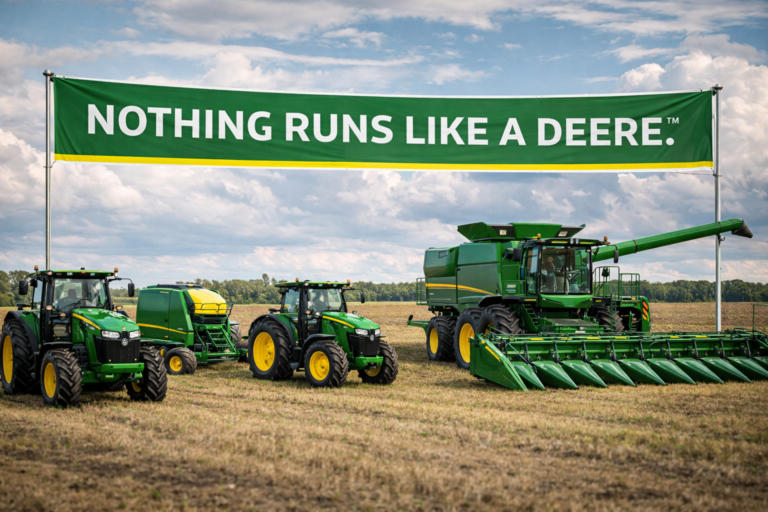
Nothing Runs Like A Deere
-
-20%

No Rule Book
$9.95Original price was: $9.95.$7.95Current price is: $7.95. -
-35%
No Rule Book + No Rules Start-Up
$22.90Original price was: $22.90.$14.95Current price is: $14.95. -
-50%
No Rules Start-Up
$19.95Original price was: $19.95.$9.95Current price is: $9.95.


 Submitted 1.0
 Manual 5.0