

NoRule Book Banner

The Deal That Changed Sport Forever — And the Decision That Almost Stopped It

by Robbie Dellow
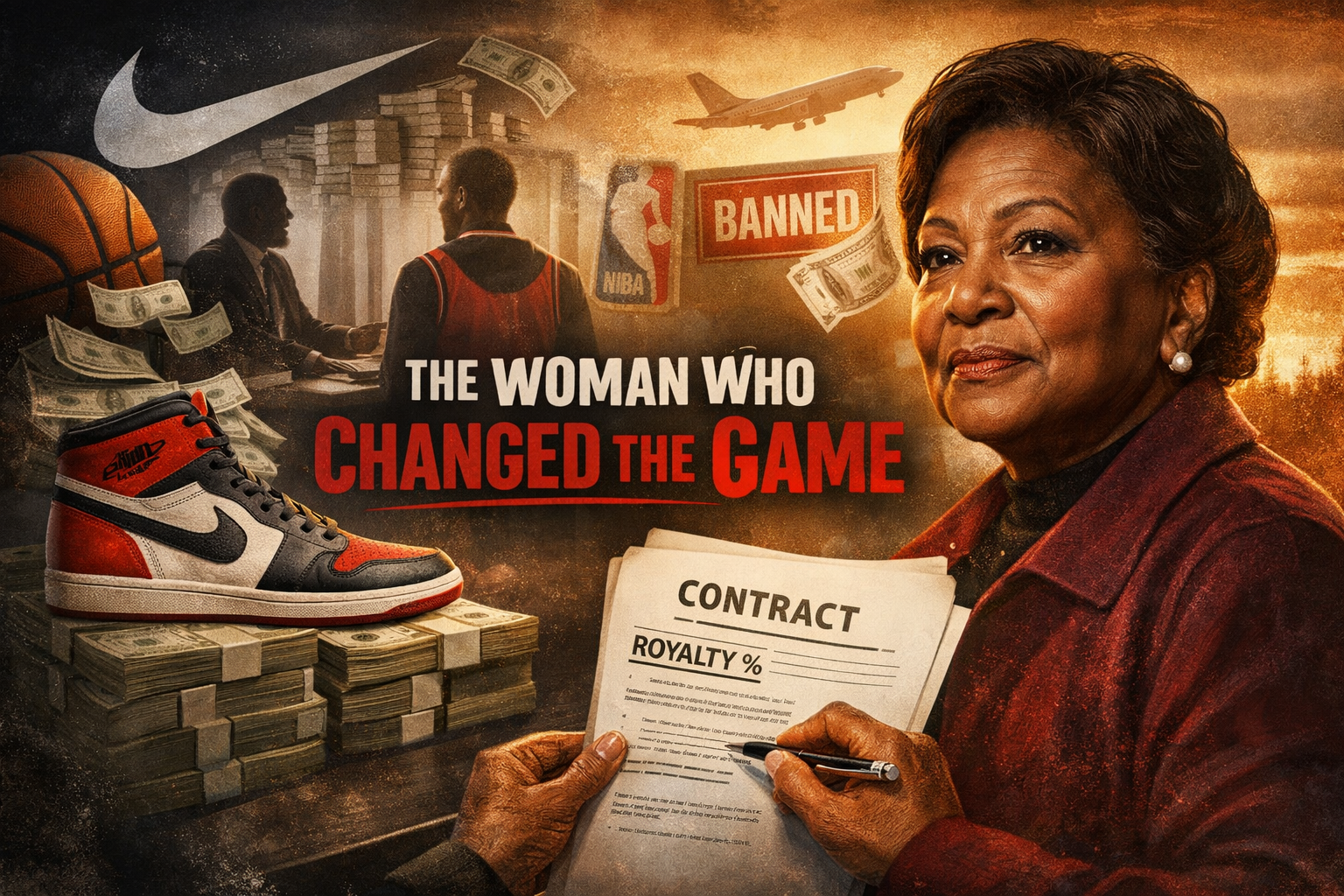
Deloris jordan v Nike

The Deal That Was Never Meant To Be Different

In 1984, nobody in professional sport was expecting an endorsement contract to rewrite the relationship between athletes and the companies that paid them. There was an established system, it was understood by everyone involved, and—perhaps most importantly—it worked very well for the brands that controlled it.

An athlete signed a deal, received an agreed payment, wore or promoted the product, and moved on. If that product became enormously successful, the company enjoyed the upside; if it failed, the company carried the risk. Either way, the athlete had already been paid, which meant their financial participation effectively ended when the contract was signed.
It was simply how endorsement deals worked, and like many established rules, it attracted remarkably little attention precisely because everybody had become accustomed to it.

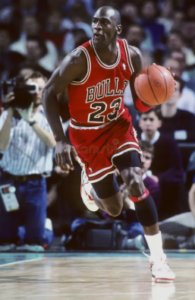
Then a 21-year-old rookie named Michael Jordan entered the NBA, and what should have been another conventional endorsement negotiation began moving in a very different direction.

The surprising part is that the person who helped push it there wasn’t Michael Jordan.
 

The Player Who Didn't Want Nike

Looking back from a world in which Nike and Michael Jordan seem almost inseparable, it is easy to assume that their partnership was somehow inevitable. At the time, however, Jordan wasn’t particularly interested in Nike at all.

Nike was not yet the basketball powerhouse it would become, while Jordan preferred Adidas and felt its image, style and identity suited him better. Converse was also deeply established in basketball, worn by many of the game’s biggest stars, which left Nike trying to persuade a young player to consider a company he had already largely dismissed.

When Nike pushed for a meeting, Jordan initially didn’t want to go. In his mind, the decision had effectively been made before the negotiation had even begun.

And that might have been where the story ended, except someone close to him looked at exactly the same situation and saw something Michael didn’t.

The Person Who Saw Something Else

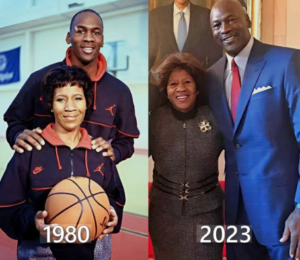
Deloris Jordan

Deloris Jordan didn’t see a finished decision. She saw a missed opportunity.

Where Michael saw a brand he didn’t particularly want, his mother saw a company sufficiently interested in her son to make an unusually serious pitch, and that distinction mattered. She persuaded him to attend the meeting and listen to what Nike was prepared to offer before rejecting something he didn’t yet fully understand.

It wasn’t an act of aggression or some dramatic confrontation with the sports industry. It was something much simpler: the refusal to treat an existing assumption as though it were a final answer.

Michael agreed to go, and Deloris went with him.

That detail matters, because the story that followed wasn’t simply about a young athlete negotiating his first major endorsement contract. Sitting close to the negotiation was someone who wasn’t approaching the opportunity from inside the established sporting rulebook—and sometimes being unfamiliar with the accepted way of doing things makes it easier to ask the question insiders have stopped asking.

Why does the deal have to work this way at all?

Inside The Room Where It Shifted

Nike’s pitch was unlike anything else Michael Jordan had been offered. Rather than simply paying a young athlete to wear its shoes, the company wanted to build something around him: a signature shoe, a distinctive identity and, ultimately, a product line tied directly to his name.

It was an extraordinary bet considering Jordan had not yet played a single NBA game, but Nike believed it was looking at more than a talented rookie. The company saw the possibility of building a brand around an athlete in a way that was still highly unusual in professional sport.

Deloris Jordan had already played a crucial part simply by getting her reluctant son into that room, but once the negotiations began, the important question was no longer whether Michael would receive a bigger endorsement cheque. It was whether his compensation should remain separate from the value his name might help create.

That distinction would become far more important than anyone in the room could possibly have known.

THE QUESTION THAT CHANGED THE DEAL

The conventional endorsement model was simple: the company owned the product, the athlete received a fee, and whatever happened after that largely belonged to the company.

But the Jordan negotiations opened the door to a different way of thinking. If an athlete’s identity was going to help create demand for the product itself, why should that athlete’s financial participation end with the endorsement payment?

That was the important shift. The negotiation was no longer simply about how much Michael Jordan would be paid to wear Nike shoes; it was about whether he could participate in the value created if those shoes became successful.

In other words, the conversation moved from compensation to ownership of the upside.

And that seemingly small distinction would help change athlete endorsement deals forever.

If an athlete's identity helps create the value, why should their participation end with the endorsement payment?

The Clause That Changed Everything

What emerged was a deal that went far beyond the conventional endorsement structure. Jordan would receive not only guaranteed compensation from Nike but royalties connected to sales of the shoes carrying his identity.

That changed the economics of the relationship. If the product succeeded, Jordan would continue participating in that success rather than watching all of the upside flow to the company that sold it.

At the time, however, nobody knew whether there would be much upside to share. Jordan was an exceptional prospect, but he was still an NBA rookie, Nike was taking an enormous gamble in basketball, and a signature shoe built around an unproven professional player could easily have failed.

Nike reportedly hoped to generate around $3 million in Air Jordan sales over the first three years.

What happened next made that expectation look almost absurdly small.

A Risk That Could Have Gone Nowhere

Looking back now, the success of Air Jordan feels almost inevitable, but that is hindsight doing what hindsight does: removing all the uncertainty that existed at the time.

Jordan was an extraordinary prospect, but he had not yet played an NBA game, Nike was far from dominant in basketball, and nobody knew whether consumers would embrace a signature shoe built around a rookie strongly enough to justify the gamble.

What made the deal unusual was that both sides had something meaningful at risk. Nike was investing heavily in an unproven player, while Jordan’s compensation was structured so that part of his potential reward depended on something nobody could guarantee — whether people would actually buy the shoes.

That is what makes the story interesting from a NoRuleBook perspective. The safest deal would have concentrated on what could be guaranteed at the negotiating table. Instead, the agreement left room for something far more valuable : Participation in what might be created afterwards.

WHEN THE BET BECAME BIGGER THAN ANYONE IMAGINED

What happened next overwhelmed even Nike’s expectations.

The company reportedly hoped the Air Jordan line might generate around $3 million in sales during its first three years. Instead, demand arrived at a scale that made those projections look almost quaint: Air Jordan reportedly generated around $70 million in sales within its first two months and roughly $126 million by the end of its first year.

But the important part of the story is not simply that the shoes became enormously successful. It is what that success revealed about the structure of the deal.

Jordan was not merely being paid to advertise somebody else’s product. His identity had become part of the economic engine driving the product itself, and the royalty arrangement meant he could participate financially in the value associated with that success.

What might have looked like a contractual detail before anyone knew whether the shoes would sell became enormously consequential once they did.

"And that distinction — between being paid for your involvement and participating in the value your involvement creates — reaches far beyond basketball."

THE “BANNED” SHOE — AND THE POWER OF A STORY

Around the birth of Air Jordan, another story began taking shape — one that would become almost as famous as the shoes themselves.
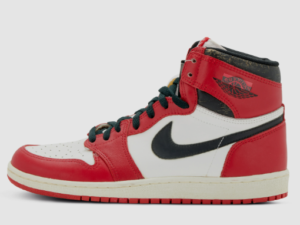
Air Jordan basketball shoeThe NBA objected to footwear Jordan wore because its colors did not comply with the league’s uniform rules. Nike seized on the controversy and transformed the idea of a shoe the NBA didn’t want Jordan to wear into a brilliant piece of marketing.

There is an important wrinkle, however. The shoe connected to the NBA’s original warning appears to have been a black-and-red Nike Air Ship rather than the Air Jordan 1 that later became synonymous with the “banned” story, while the familiar tale of Jordan being fined $5,000 every game and Nike repeatedly paying those fines is far less clearly documented than decades of advertising and retelling have made it seem.

That doesn’t weaken the story. In some ways, it makes it more interesting.

Nike understood something powerful: being told that something didn’t fit the established rules could itself become part of the product’s appeal. Instead of hiding the conflict, the company turned it into mythology, positioning the shoe as something rebellious, restricted and therefore more desirable.

"The rule hadn't merely been challenged. The rule had become the marketing campaign."

What Actually Changed

Air Jordan’s success did more than create an extraordinarily profitable shoe. It demonstrated, on an unprecedented scale, how valuable an athlete’s identity could become when it was connected directly to a product rather than simply used to advertise one.

That distinction mattered. Michael Jordan was no longer merely a famous athlete wearing somebody else’s shoes; his name, image and sporting success became inseparable from a brand that consumers wanted to buy into, and the economics surrounding elite athletes began to look very different as a result.

The idea itself was not entirely new, and Jordan did not single-handedly invent athlete royalties, but the sheer scale of Air Jordan changed what athletes, agents and brands could imagine was possible. Signature products, licensing arrangements, royalties and eventually equity participation became increasingly important ways for athletes to capture some of the value their influence helped create.

The lesson wasn’t that every athlete should demand the same deal.

It was that the standard deal was no longer automatically the right deal.

THE DECISION BEFORE THE DEAL

There is another lesson in this story that is easier to overlook because it happened before any contract was signed.

Michael Jordan did not want Nike.

He preferred Adidas strongly enough that he reportedly didn’t even want to attend Nike’s presentation, and it was Deloris Jordan who persuaded her son to hear the company out before making his final decision.

That might seem like a small detail beside everything that followed, but without that decision there may have been no Air Jordan story at all. Deloris didn’t need to know what Nike would offer, predict that the shoes would become a phenomenon, or understand how valuable the relationship might eventually become. She simply recognised that rejecting an opportunity before understanding it was unnecessarily closing a door.

There is a useful distinction here. Independent thinking doesn’t mean automatically rejecting conventional wisdom, nor does it mean assuming that your first instinct must be right. Sometimes it means doing something much less dramatic: being willing to examine an option you had already decided against.

Michael Jordan eventually said yes to Nike.

But before he could make that decision, someone had to persuade him to listen.

The Lesson That Still Applies Today

Most people, when negotiating their position within a system, concentrate on getting a slightly better version of what already exists. They ask for more money, better terms, greater security or another benefit, but rarely stop to question whether the structure of the arrangement itself makes sense.

The Jordan story points toward a different question. If your work, reputation or ideas help create something valuable, should your reward end with the initial payment, or is there a way to participate in the value that continues afterwards?

That doesn’t mean royalties, equity or ownership are appropriate in every situation, nor does it mean every conventional deal is a bad one. It means the structure itself deserves to be questioned rather than automatically inherited.

Sometimes the greatest leverage doesn’t come from negotiating harder within the existing rules. It comes from recognising that the rules of the deal are negotiable too.

That principle extends far beyond professional sport. It applies to founders, creators, employees, inventors and anyone whose contribution may create value long after the original work has been done.

Final Thought

Michael Jordan’s Nike deal became legendary because almost everything that followed exceeded what anyone could reasonably have imagined.

But perhaps the most useful part of the story happened before the billions, the global brand and the mythology surrounding Air Jordan. Jordan had already decided Nike wasn’t for him, yet Deloris persuaded him to hear what they had to say. Nike, meanwhile, was willing to imagine a relationship with an athlete that went beyond the ordinary endorsement model of the time.

Neither side could know where that decision would lead. They simply left enough room for a different possibility to emerge.

That may be the real NoRuleBook lesson in the Air Jordan story. Questioning the rules doesn’t always mean dramatically breaking them. Sometimes it means questioning a decision you thought you’d already made, examining an opportunity you were ready to dismiss, or asking whether the standard arrangement is really the only arrangement available.

"You don't always need to know what the better answer is. Sometimes you just need to be willing to
question the one you've already accepted."

Take The Next Step

The Air Jordan story is a reminder that some of the most powerful rules are the ones we accept without realizing they were ever negotiable. The NoRuleBook eBook explores more of those hidden assumptions — around work, success, money and the way we’re expected to live — and what can happen when you start questioning them.

The NoRuleBook Collection

Facebook

Related Articles

Leave a Comment