
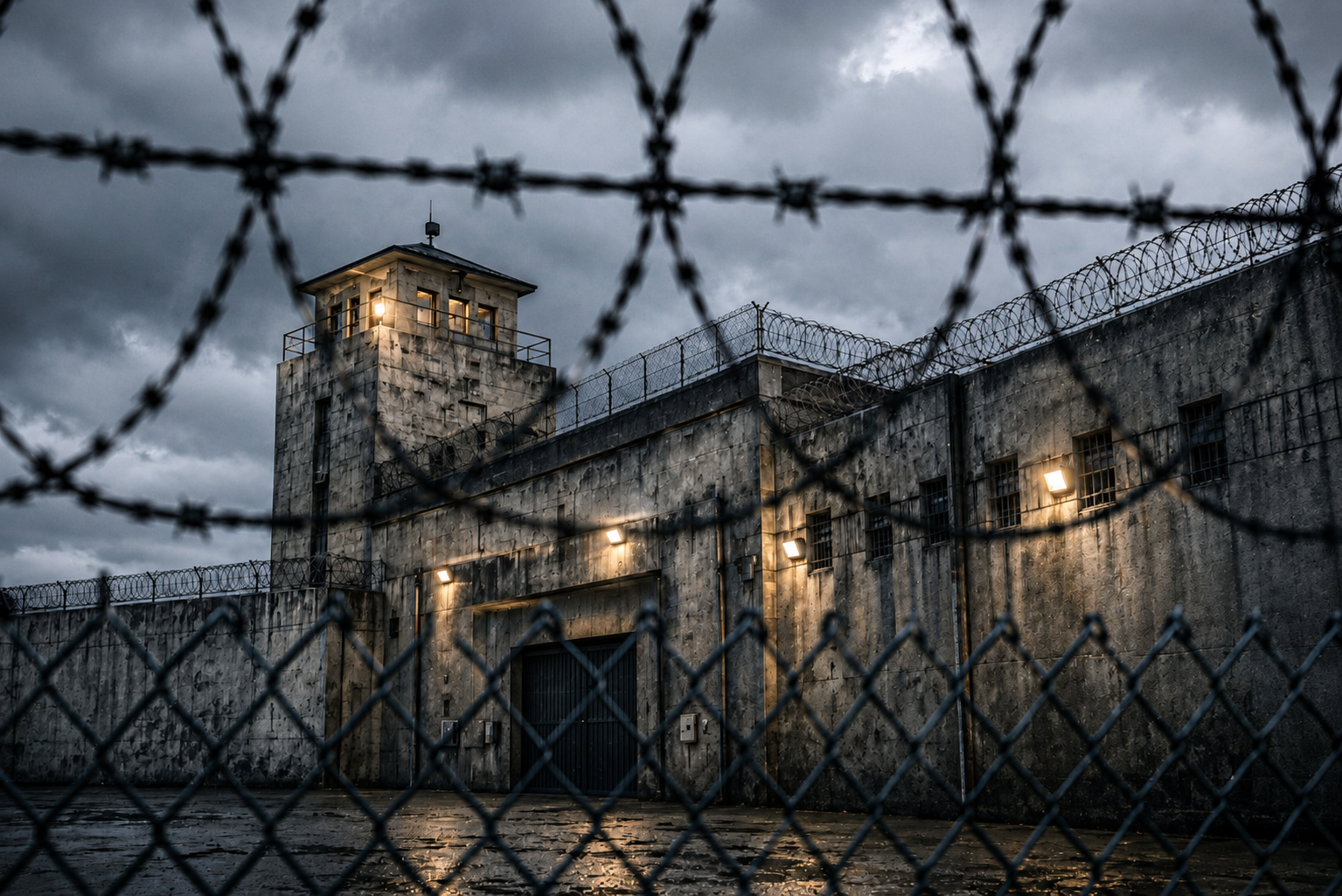
 There is something deeply unsettling about the idea that the most dangerous prisons are not hidden behind towering walls or guarded by locked gates, but exist in plain sight, woven so naturally into everyday life that they become almost impossible to recognise. We tend to imagine imprisonment as something imposed upon us by force, yet the prisons that shape most lives are rarely entered in a single dramatic moment. Instead, they emerge gradually, built from routines that become habits, habits that become identities, and identities that eventually feel too permanent to question.
That is what makes them so remarkably effective. An invisible prison does not announce itself because it has no reason to. It doesn’t demand obedience or threaten punishment. Instead, it quietly encourages familiarity. The life you have today becomes the life you expect tomorrow to resemble, and before long the possibility of something different begins to feel unrealistic rather than simply unexplored. We stop asking whether our choices still reflect who we are because they become wrapped up in who we believe we have always been.
This is why two people can stand in exactly the same circumstances and experience completely different levels of freedom. One sees possibilities, alternatives and doors still waiting to be opened. The other sees obligations, limitations and reasons why change would never work. Their surroundings may be identical, but the boundaries of their thinking are not. The difference is rarely intelligence, talent or luck. More often, it lies in the invisible assumptions each person has quietly accepted over many years.
The most dangerous prison is not built from steel or concrete. It is built from certainty. It convinces us that the life unfolding before us is the only one that ever could have existed. That the decisions already made define the decisions still available. And that questioning the familiar is somehow riskier than spending another decade repeating it. Once certainty settles in, curiosity begins to disappear, and with it goes the habit of looking for doors that may have been open all along.
Perhaps that is why many people reach the later years of life unsatisfied – not because they lacked opportunities, but because they gradually stopped noticing them. The prison didn’t close around them overnight. It became a little more comfortable, a little more familiar and a little less visible with every passing year until the walls no longer looked like walls at all. They simply looked like life.
There is nothing wrong with comfort. After all, few people would choose unnecessary struggle over security, uncertainty over stability or chaos over peace. A comfortable life can be a wonderful achievement, built through years of effort, sacrifice and wise decisions. The problem begins only when comfort quietly changes its purpose. Instead of becoming a place where we rest, it becomes a place we become afraid to leave.
That shift is almost impossible to notice while it is happening because it rarely announces itself with dramatic consequences. It arrives in much smaller ways. We stop exploring because what we already know feels easier. We stop meeting new people because our existing circle feels sufficient. We stop learning because we become competent. We stop questioning because the answers we already have seem to work well enough. Without realising it, the boundaries of our lives begin to shrink, not because somebody imposed new limits upon us, but because familiarity slowly replaced curiosity.
Perhaps this is why some of the most capable people never fulfil the ambitions they once spoke about with such enthusiasm. It is rarely because they lacked intelligence, opportunity or determination. More often, the life they successfully built became too valuable to disturb. The risks that once felt exciting now appear irresponsible, while the unknown gradually becomes something to avoid rather than something worth exploring. The prison, in other words, becomes increasingly comfortable, and comfortable prisons rarely inspire escape.
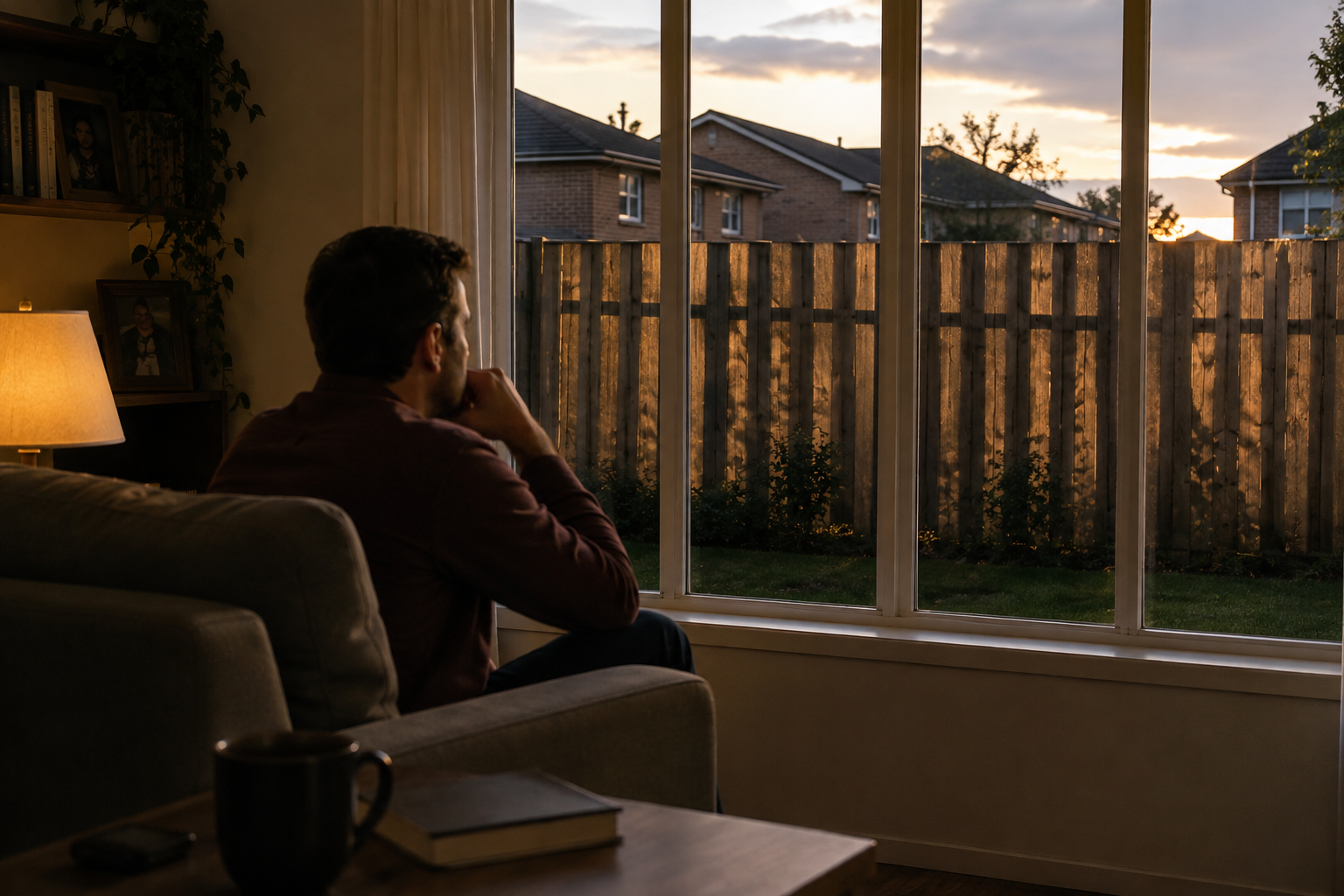 There is an old saying that fish are the last creatures to discover water because they have never experienced life outside it. Human beings are not so different. The routines we repeat each day eventually become invisible, not because they are unimportant, but because they become ordinary. We stop noticing how often we drive the same roads, have the same conversations, think the same thoughts and make the same decisions. Familiarity has a remarkable ability to disguise itself as inevitability.
That doesn’t mean everyone should abandon a stable career, move to another country or reinvent their life every few years. Those choices may be exactly right for some people and completely wrong for others. NoRuleBook has never been about rejecting conventional lives simply because they are conventional. It is about making sure they are consciously chosen rather than unconsciously inherited. There is a profound difference between staying because it reflects the life you genuinely want and staying because you have quietly forgotten there might still be other doors worth opening.
If an invisible prison were to depend on someone standing outside the door with a set of keys, it would be remarkably easy to escape. Remove the guard and you walk free. But the difficulty is that life rarely works that way. Given enough time, the guard slowly moves inside. The voice that once came from somewhere else gradually becomes our own, until we can no longer recognize the difference between inherited beliefs and personal convictions.
It begins so quietly that we barely notice it. Before trying something new, a thought appears almost automatically – “People like me don’t do that.” Before sharing an idea, another follows – “What if it isn’t good enough?” Before taking an opportunity, the familiar questions arrive :
- “What if it doesn’t work?”
- “What if I fail?”
- “What will people think?”
Nobody needs to speak these words aloud anymore because we have repeated them to ourselves so many times that they begin to sound like common sense rather than assumptions waiting to be challenged.
This is perhaps the most remarkable feature of an invisible prison. The walls are no longer maintained by circumstance but by identity. We stop saying, “I chose this path,” and begin saying, “This is just who I am.” At first glance, that may seem like confidence, but there is an important difference between knowing who you are and believing you can no longer become anything else. Identity is valuable because it gives us stability. It becomes limiting only when it convinces us that growth has already finished.
The irony is that many of the beliefs guarding these invisible walls were once useful. Caution may have protected us after a painful failure. Routine may have provided stability during uncertain times. A reluctance to stand out may even have helped us belong when belonging felt essential. None of these responses were mistakes. They simply outlived the circumstances that created them. What once served as protection gradually became permission to stop exploring.
 Perhaps that is why genuine freedom has so little to do with changing our surroundings and so much to do with changing our relationship with the stories we tell ourselves. We cannot rewrite every chapter of our past, nor should we try. What we can do is question whether the voice narrating our future is still speaking from old fears rather than present possibilities. The prison guard has no authority beyond the authority we continue to give it.
And perhaps the most liberating realization of all is this: The moment you begin questioning the voice, it stops sounding quite so certain.
-
-20%
NoRuleBook
Original price was: $9.95.$7.95Current price is: $7.95. -
-50%

No Rules Start-Up
Original price was: $19.95.$9.95Current price is: $9.95. -
-35%

NoRuleBook Bundle
Original price was: $22.90.$14.95Current price is: $14.95.

 Submitted 1.0
 Manual 5.0