

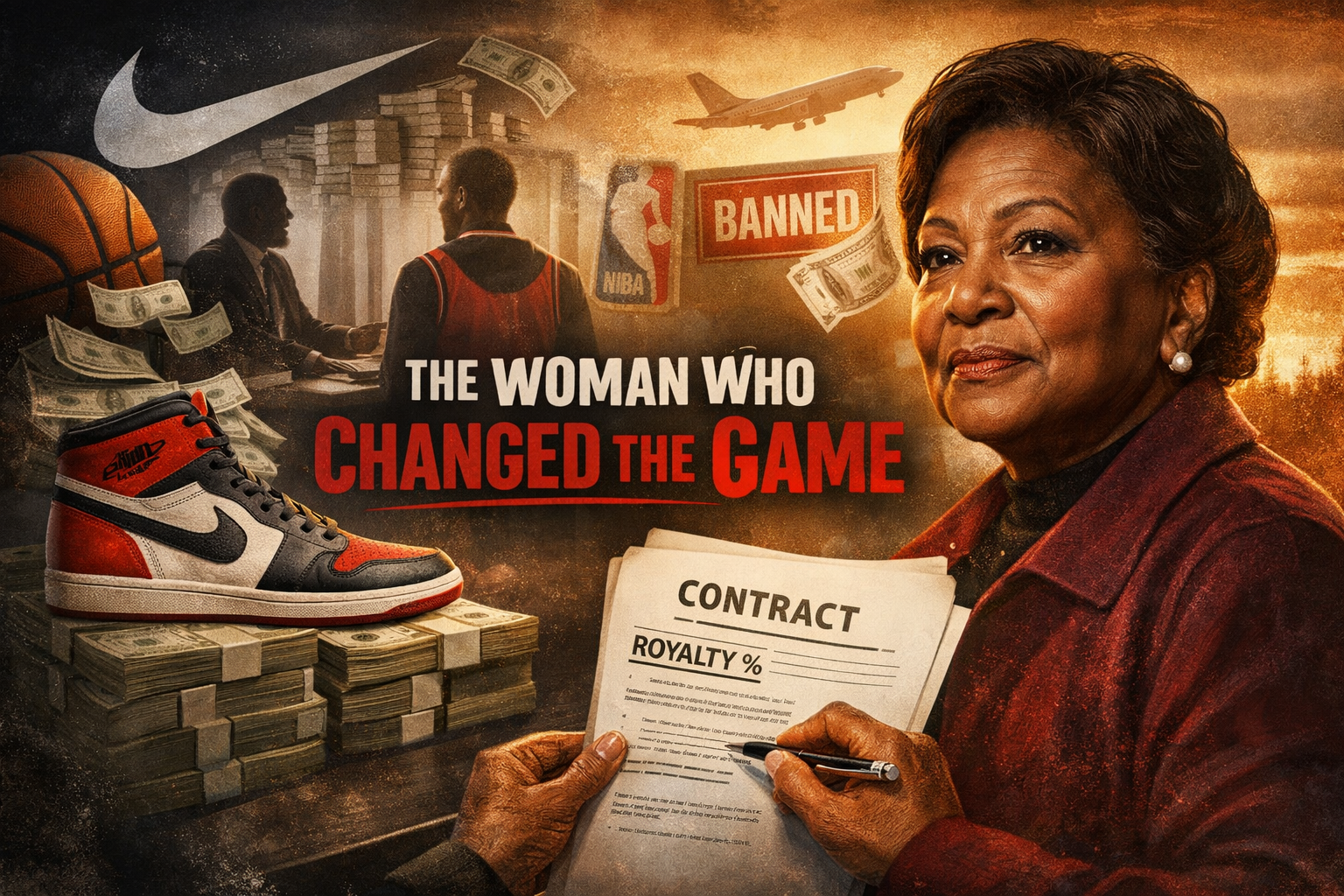
NoRule Book Banner

The Contract Clause That Changed Sport Forever : How Deloris Jordan Rewrote Nike’s Deal

by Robbie Dellow
Deloris jordan v Nike

The Deal That Was Never Meant To Be Different

In 1984, no one in sport was trying to reinvent endorsement deals.

There was a system. It worked. And more importantly, it worked for the people who controlled it.

An athlete would sign with a brand, get paid, wear the product, and move on. If the product sold well, the company benefited. If it didn’t, the company carried the loss. Either way, the athlete’s role ended the moment the contract was signed.

That structure wasn’t debated. It wasn’t negotiated. It was simply accepted.
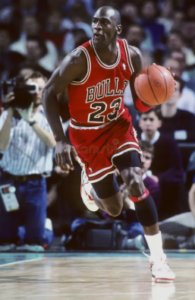
Michael Jordan basketballSo when a young rookie named Michael Jordan entered the league, there was no expectation that anything about that system would change.

He was just another player about to sign another standard deal.
The Player Who Didn't Want Nike

At that point, Nike wasn’t the dominant force people assume today.

They were struggling in basketball. Their growth had stalled, and they needed something—someone—to shift momentum.

Jordan didn’t see them as that answer.

He preferred Adidas. That was where he felt comfortable. The style, the identity – It fit. Nike, in his eyes, didn’t.

So when Nike pushed for a meeting, he wasn’t interested.

He had already made his decision and it was final.

The Person Who Saw Something Else

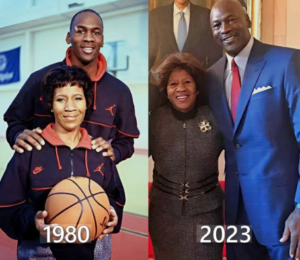
Deloris JordanDeloris Jordan didn’t see a finished decision. She saw a missed opportunity.

Where Michael saw a brand he didn’t like, she saw a company willing to make a bold bet. Where he saw inconvenience, she saw leverage that hadn’t been explored yet.

So she insisted.

Not aggressively. Not emotionally. Just firmly.

“You’re going to go and listen.”

And she didn’t just send him. She went with him also.

That detail matters, because this wasn’t a story of a young athlete negotiating his future. It was a conversation that included someone who wasn’t bound by the rules of the industry – And that changes everything.

Inside The Room Where It Shifted

Nike’s pitch was different from anything else on the table.

They weren’t offering a standard endorsement. They were offering to build something around him. A signature shoe. A brand tied to his identity. A long-term play.

It was a risk for them. Jordan hadn’t played a single NBA game yet. There was no guarantee he would become what they believed he could be.

But even with that vision, the deal could still have followed the usual structure. More money upfront. A stronger commitment. Same outcome.

That’s where most negotiations would have ended.

Instead, the conversation slowed down, and Deloris started asking questions.

Not about the headline number. But about what would happen if Nike was right.

The Question That Broke The Pattern

If this shoe works…
If it sells…
If his name is what drives it…

Why would he only be paid once?

It wasn’t a complicated question. That’s what makes it powerful.

But it didn’t fit the system. Because the system had never been designed to answer it.

That question forced a shift.

Suddenly, the deal wasn’t just about compensation. It was about participation.

The Clause That Changed Everything

The result was something that didn’t exist in standard athlete deals at the time.

A royalty.

A percentage of every shoe sold.

It meant that if the product succeeded, Jordan would continue to benefit. Not just from his performance on the court, but from the success of the product built around him.

That structure changed the entire nature of the deal.

It turned a transaction into a partnership.

And it introduced real risk.

Because at that point, there was no guarantee any of it would work.

Nike expected to sell around 100,000 pairs in the first year.
That was the scale they were aiming for.

The reality was very different.

A Risk That Could Have Gone Nowhere

This is the part people tend to rewrite in hindsight. It feels inevitable now. Of course it worked, and, of course it became massive. But in that moment, nothing about it was certain.

Jordan was unproven. Nike was not dominant in basketball. The idea of a signature shoe at that scale hadn’t been tested.

The safe option was clear – Take the guaranteed money and remove the uncertainty.

But Deloris didn’t push for safety.

She pushed for alignment.

If value was being created, her son should share in it.

Simple.

When The Bet Became A Billion Dollar Shift

The Air Jordan line didn’t just succeed.

It exploded.

Nike didn’t sell 100,000 pairs.

They sold 1.5 million pairs in the first six weeks.

That kind of growth doesn’t just reward a company. It amplifies whatever structure sits underneath it.

And in this case, that structure included royalties.

So every sale mattered.

Every pair.

Every year.

What looked like a small contractual detail became one of the most powerful financial decisions ever made in sport.

The Second Rule Nike Was Willing To Break

Around the same time, something else was happening that reinforced the same mindset.

The shoe’s design did not follow the strict NBA regulations.
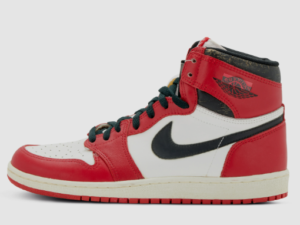
Air Jordan basketball shoeThe league required footwear to be mostly white, and to match team uniforms. The Air Jordans didn’t. The shoes primary color was red.

Jordan wore them anyway.

The league responded with fines – Thousands of dollars per game.

Nike paid the fines.

Not reluctantly. Strategically.

They turned the violation into a story. The ‘banned‘ shoe became more desirable precisely because it wasn’t supposed to be worn.

It was the same pattern playing out again.

When a rule gets challenged.
Instead of retreating, it gets used.

What Actually Changed

The success of that deal didn’t stay contained to one athlete or one company.

It forced a shift across the industry.

Athletes started asking different questions. Agents started negotiating differently. Brands had to adapt if they wanted access to top talent.

Royalties became common.

Equity entered the conversation.

What had once been dismissed as unrealistic became expected.

And it all traces back to a moment where someone in the room asked a question that didn’t fit the script.

Why It Had To Be Her

It’s worth being honest about this.

That question was unlikely to come from inside the system.

Agents were negotiating within known boundaries. Executives were protecting company margins. Everyone involved understood how deals were ‘supposed‘ to work.

Deloris Jordan didn’t.

And that was her advantage.

She wasn’t trying to optimize the system.

She was looking at it from the outside and asking whether it made sense at all.

That’s where real change usually starts.

The Lesson That Still Applies Today

Most people spend their time trying to improve their position within a system.

They negotiate harder. Work more. Push for slightly better terms.

But they rarely question the structure itself.

That’s where the leverage is.

Do you get paid once, or repeatedly?
Do you benefit from success, or just contribute to it?
Are you aligned with growth, or disconnected from it?

Those questions don’t just improve outcomes.

They change them.

If you want to go deeper into that mindset, this below article explores well-known companies that ignored industry-standard rules :
👉The Unwritten Rules in Business and the Companies that Broke Them

Final Thought

The Michael Jordan Nike deal didn’t become legendary because it was big.

It became legendary because it was different.

And it was different because someone in the room refused to accept a structure that didn’t make sense.

Deloris Jordan didn’t just negotiate a better deal.

She changed what a deal could be.

And once that shift happens, the old rules don’t disappear.

They just stop being limitations.

The 'NoRuleBook' Masterclass Collection

Facebook

Related Articles

Leave a Comment