History usually celebrates loud victories. Wars won, flags planted and leaders triumphantly standing on podiums. But some of the most important moments in human history happened quietly, in rooms where there were no cameras, decided by people who were never supposed to decide anything at all.
Lieutenant Commander Stanislav Petrov was one of those people.
On the night of September 26, 1983, Petrov became the man who saved the world, not because he followed orders perfectly, but because he didn’t.
At the height of the Cold War, when nuclear annihilation was not an abstract fear but a standing policy, Petrov made a choice that went against protocol, against training, and against the machine he served. That choice likely prevented nuclear armageddon.
A World on Edge
To understand the weight of Petrov’s decision, you have to understand the moment.
In 1983, the relationship between the United States and the Soviet Union was dangerously fragile. The Soviet Union had recently shot down a Korean passenger plane, killing 269 civilians. NATO was running military exercises that closely resembled nuclear strike simulations. Both sides were primed to assume the worst.
This was not a time for trust. It was a time for hair-trigger responses.
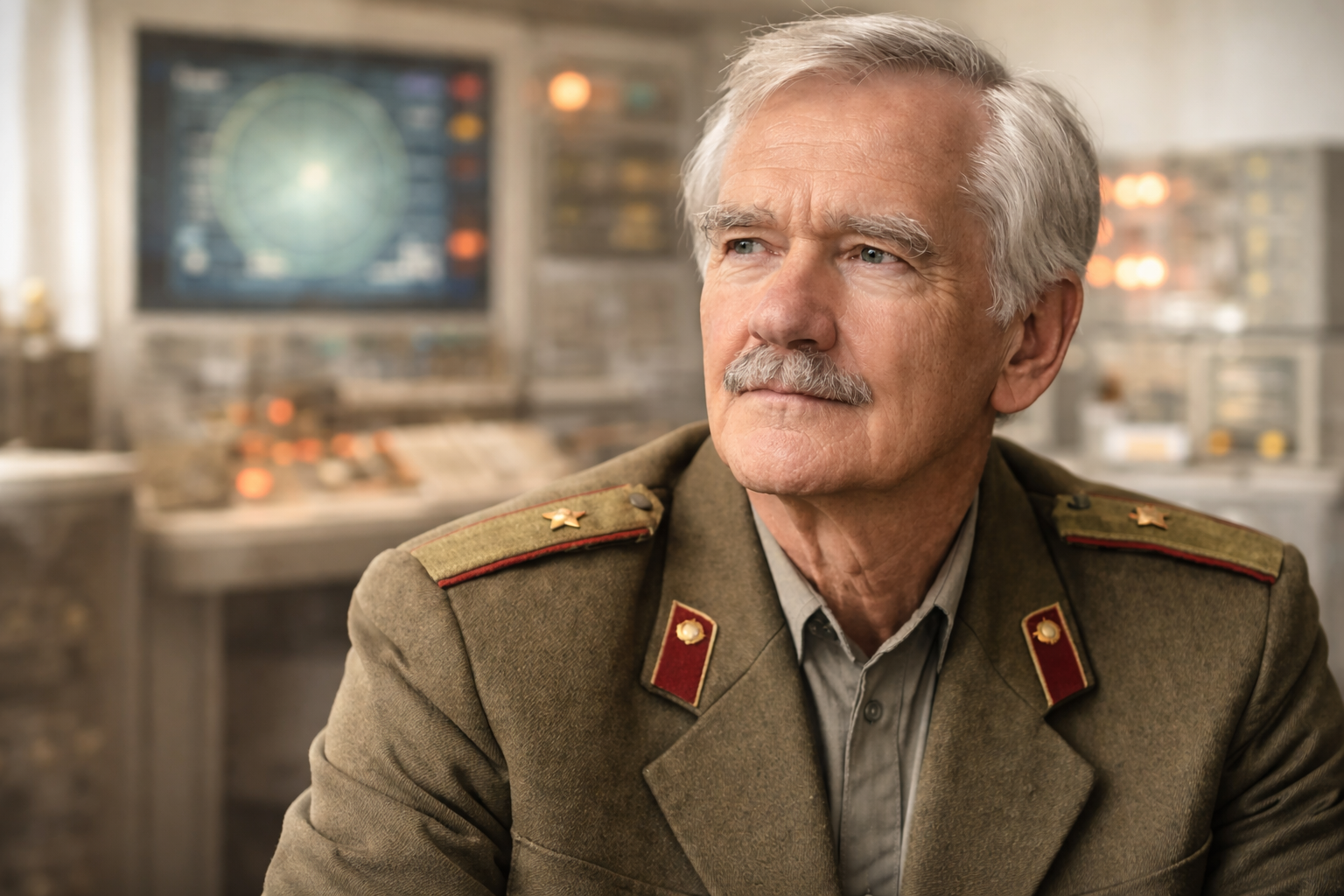
Petrov was stationed at Serpukhov-15, a secret Soviet early-warning facility responsible for detecting incoming U.S. nuclear missiles via satellite systems. His job was not to decide policy. His job was to report threats up the chain of command.
If the system detected an incoming attack, the assumption was simple : Retaliation would follow.
The Alarm
Shortly after midnight, multiple alarms blared.
The Soviet satellite system reported that a U.S. intercontinental ballistic missile had been launched. Then another. Then more.
The screens told a clear story : America had launched a nuclear first strike.
Protocol was explicit. Petrov was to immediately report the alert as genuine. That report would have gone straight to Soviet leadership, where minutes – sometimes seconds – separated detection from the decision of retaliation.
Petrov looked at the data and hesitated. Something didn’t feel right.
The Rule Breaker
According to the system, only a handful of missiles had been launched. That didn’t align with Soviet military doctrine or American strategy. A real first strike would have involved hundreds of missiles, not five.
There were also technical inconsistencies. The satellite system was new. Untested and known to have flaws. Petrov understood its weaknesses better than most because he had helped design parts of its operational logic.
But none of that mattered to the rulebook. The rules didn’t ask for interpretation. They asked for obedience.
Petrov made a decision that no system allows for easily : He trusted his judgment over the machine. He reported the alert as a false alarm.
He was wrong according to protocol. And right according to reality.
The satellites had mistaken sunlight reflecting off high-altitude clouds for missile launches. No attack was actually coming.
Had Petrov followed orders, the chain reaction could have escalated into a full nuclear exchange. Millions, possibly hundreds of millions, of lives would have been at risk.
Instead, nothing happened, and the world slept on, blissfully unaware.
No Medals. No Applause.
Petrov wasn’t celebrated. He wasn’t promoted. In fact, he was reprimanded for failing to properly document the incident.
The Soviet military didn’t want to acknowledge that its systems were flawed or that one man’s judgment had overridden protocol, so the story stayed buried for years.
Petrov eventually left the military. He lived modestly and quietly. Almost anonymously.
Only after the fall of the Soviet Union did his role begin to surface. Western journalists dubbed him The Man Who Saved The World, a title that felt almost uncomfortable for someone who never saw himself as a hero.
“I was just doing my job,” he later said.
But that’s not entirely true.
He didn’t do his job as it was written. He did it as it needed to be done.
Why This Matters
Stanislav Petrov’s story cuts straight to the heart of the NoRuleBook philosophy.
He didn’t rebel for attention. He didn’t try to be a hero. He didn’t even know the outcome of his decision in real time. What he did was refuse to outsource his thinking to a system just because the system claimed authority.
Rules are often built for averages. For probabilities. For controlled environments. But reality doesn’t care about averages.
Petrov understood something that many systems still struggle with today : Human judgment matters most when the consequences are absolute.
Lessons To Take Away
-
Systems are only as good as the humans inside them
Automation, algorithms, procedures—none of them are infallible. Blind faith in systems can be more dangerous than human error.
-
Following rules is not the same as taking responsibility
Petrov accepted personal responsibility for his decision, knowing full well it could ruin his career. Responsibility requires ownership, not compliance.
-
Critical thinking beats perfect obedience
Petrov asked a question the system couldn’t : “Does this make sense?” That question alone changed history.
-
The biggest decisions often happen without recognition
If you’re waiting for applause before doing the right thing, you’ll hesitate when it matters most.
-
Courage is often quiet
There was no dramatic speech. No countdown clock. Just a man sitting with uncertainty and choosing restraint over reaction.
Final Thoughts
Stanislav Petrov didn’t save the world by being powerful, famous, or influential. He saved it by thinking independently at a moment when thinking was discouraged.
He broke the rules, not to rebel, but to prevent irreversible damage caused by blind obedience.
In a world increasingly run by systems, policies, and automated decisions, his story is more relevant than ever.
Sometimes the most important rule is knowing when not to follow one.
And sometimes, the fate of the world rests on a single person willing to trust their judgment when the rulebook fails.
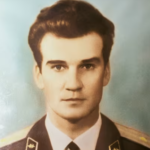
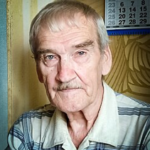
We all, on this planet, thank you Stanislav Petrov. RIP.
We thank you for your courage and judgement to assess a critical situation and not blindly follow rules.
-
-20%

No Rule Book
Original price was: $9.95.$7.95Current price is: $7.95. -
-35%
No Rule Book + No Rules Start-Up
Original price was: $22.90.$14.95Current price is: $14.95. -
-50%
No Rules Start-Up
Original price was: $19.95.$9.95Current price is: $9.95.


 Submitted 1.0
 Manual 5.0