Nobody tells you that your personality slowly gets edited by other people. Nobody wakes up one day and decides to become a smaller version of themselves. It all happens quietly, in ways that feel so ordinary they barely register as change. You do not feel your personality being reshaped. You feel yourself maturing, adapting, learning how the world works, learning what people respond well to, and learning which parts of yourself seem to create friction. From the inside, it feels like growth. From the outside, it looks like stability. But underneath that story, something else is taking place that almost nobody warns you about.
Your personality is being edited by other people.
Not maliciously and not deliberately, but steadily, through thousands of small social signals that teach you what to keep and what to suppress. A joke that lands awkwardly. An opinion that makes the room go quiet. An idea that earns you a polite smile instead of enthusiasm. A dream that gets met with concern instead of excitement. You register these moments without consciously analyzing them, and your brain quietly makes a note : Don’t say that again, don’t bring that up here, that version of me didn’t work.
So you adjust.
At first, the adjustments feel sensible. You soften a personality edge. You change how you talk about your ambitions. You stop sharing certain thoughts because they seem to complicate things. You become more careful about how much of yourself you reveal. You tell yourself you are just becoming socially intelligent, more tactful, more emotionally aware, more realistic. In many ways, you are. Humans adapt in groups. That is how belonging works.
The problem is not that the editing starts. The problem is that it never really stops.
Over time, you begin to lose track of which parts of you were genuine instincts and which parts were strategic edits. You forget which preferences were yours and which were learned. You slowly start treating the edited version of yourself as the real one, because it is the only one that still gets exercised. The unedited version does not disappear, but it goes quiet, waiting for moments that rarely come.
How The Editing Becomes A Way Of Life
There is an unwritten rule nobody ever explains out loud : ‘You are allowed to be yourself, as long as that self remains socially convenient.’ Difference is tolerated, but only up to a point. Individuality is celebrated, but only when it stays decorative rather than disruptive. Expression is encouraged, but only when it fits the emotional temperature of the room.
Once your personality starts creating friction or discomfort, the pressure to edit yourself intensifies.
You feel it in workplaces when you stop asking certain questions because they make you sound difficult, or when you stop expressing certain ideas because they slow meetings down or challenge authority. You start mirroring the dominant tone of the environment, the pace, the values, the unspoken hierarchies. You learn which version of yourself is rewarded and which version quietly costs you social points.
You feel it in relationships when you tone down interests your partner does not share, soften parts of your humor that are not well received, or stop raising topics that always seem to lead to tension. You become more predictable and more agreeable, and you tell yourself this is what compromise looks like.
You feel it in friendships when you unconsciously adopt a role and stay inside it. The funny one. The sensible one. The listener. The reliable one. You stop experimenting with who you could become and start performing who you already are, because it keeps the social fabric intact.
None of this feels dramatic. It feels responsible.
But responsibility and erosion can look identical from the inside.
Why This Feels Normal Instead Of Alarming
The reason this process is so hard to notice is that it is constantly rewarded. Every time you successfully edit yourself, something gets easier. Conflict decreases. Belonging increases. Approval becomes more reliable. Life becomes smoother. Your nervous system learns that editing works, so it keeps doing it.
Over time, you become less spontaneous, less curious, less expressive, less contradictory. You become more polished, more coherent, more predictable, more acceptable. From the outside, it looks like you are becoming a better-adjusted adult. From the inside, something starts to feel flatter.
People rarely describe this as losing your identity. They describe it as boredom, restlessness, or a vague sense that life feels smaller than it used to. They talk about feeling disconnected from themselves without knowing why. What is missing is not usually a thing. It is a version of them that has not been allowed to exist in years.
The Mirror Effect Nobody Talks About
There is another reason personality editing is socially enforced, and it has less to do with you than with the people around you. When you stay consistent, predictable, and familiar, you reassure others that the social order is stable. You confirm their expectations. You protect the shared narrative of who everyone is and how life is supposed to unfold.
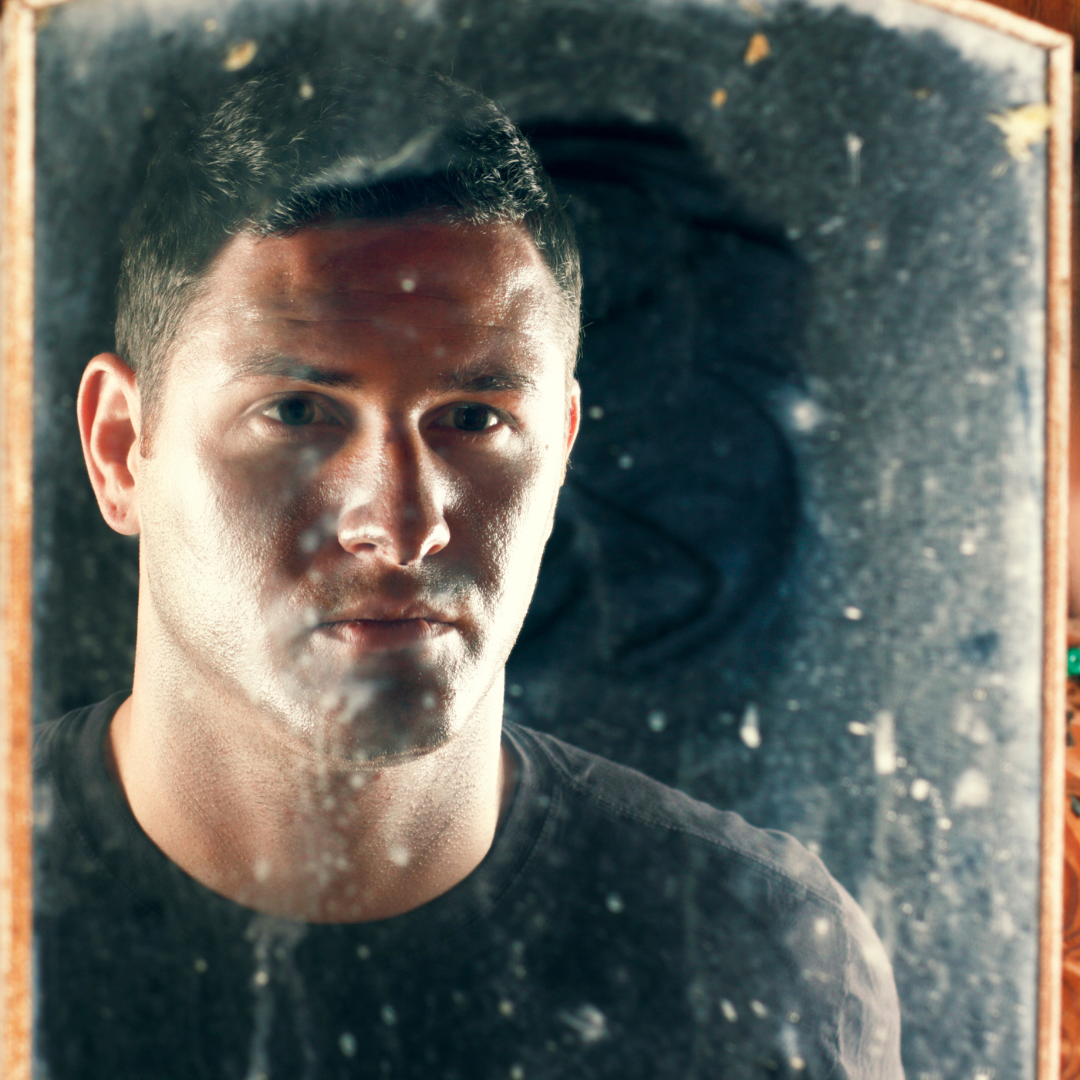
When you start changing in visible ways, something uncomfortable happens. You become a mirror.
Your curiosity forces others to confront their stagnation. Your ambition forces others to confront their settling. Your unconventional choices force others to confront their compromises. This is rarely received as inspiration. It is received as disruption.
So the subtle pressure arrives. Jokes that undercut your new interests. Concerns framed as care. Advice that nudges you back toward your old self. Reminders of who you “used to be.” Not because people consciously want to control you, but because your evolution destabilizes their sense of certainty. The unspoken message is simple : ‘We were comfortable with the old version of you, so why can’t you stay there?’
Many people retreat at this point, not because they no longer want to grow, but because growth starts to feel socially expensive.
When You Start Living As A Curated Self
At a certain point, the editing becomes automatic. You filter thoughts before they reach your mouth. You pre-adjust emotions before they reach your face. You suppress impulses before they reach your body. You start living as a curated self, a version of you optimized for stability rather than truth, for harmony rather than depth, for approval rather than expression.
This is when people start saying things like, “I don’t really know what I want anymore,” or “I feel disconnected from myself,” or “I don’t know why I’m unhappy, my life is fine.” What they usually mean is that they have been playing a role for so long that they forgot it was a role.
This is not a personal failure. It is the natural result of living in a social environment that quietly rewards self-erasure.
The Cost Of Staying Edited

This is why so many people experience a quiet crisis later in life, not because something went wrong, but because something essential went missing so gradually that they did not notice until it was gone.
Questions And Exercises For Reclaiming The Unedited You
If any of this feels uncomfortably familiar, it is worth pausing rather than rushing to fix it. The goal is not to blow up your life or start performing authenticity for an audience. The goal is simply to become aware of what has been edited out of you.
Here are a few reflective exercises you can actually do.
1. The Suppression Inventory
Write down five things you used to enjoy, believe, or express that you no longer do. Not because you outgrew them, but because they stopped being socially convenient.
2. The Editing Trigger Test
Notice the moments when you feel yourself holding back in conversation. Ask yourself what you are afraid would happen if you said what you really think in that moment.
3. The Unfiltered Hour
Spend one hour doing something purely because you feel drawn to it, with no productivity goal, no justification, and no audience. Pay attention to which part of you feels most alive during that time.
4. The Mirror Question
Ask yourself honestly who would feel uncomfortable if you started acting more like your original self again. The answer will tell you a lot about where your edits came from.
The NoRuleBook Truth
Your personality was never meant to be static. It was meant to evolve, expand, contradict itself, and surprise you. The tragedy is not that other people influence you. The tragedy is that nobody tells you when to stop letting them.
There is no official moment when you are supposed to reclaim your unedited self. There is no permission slip. There is no social reward for becoming harder to categorize. There is only a quiet choice between staying polished and becoming honest, between being acceptable and being alive, between being understood and being real.
Nobody tells you that your personality slowly gets edited by other people. But once you see it, you cannot unsee it. And once you stop editing, the world does not collapse. It just becomes more truthful.
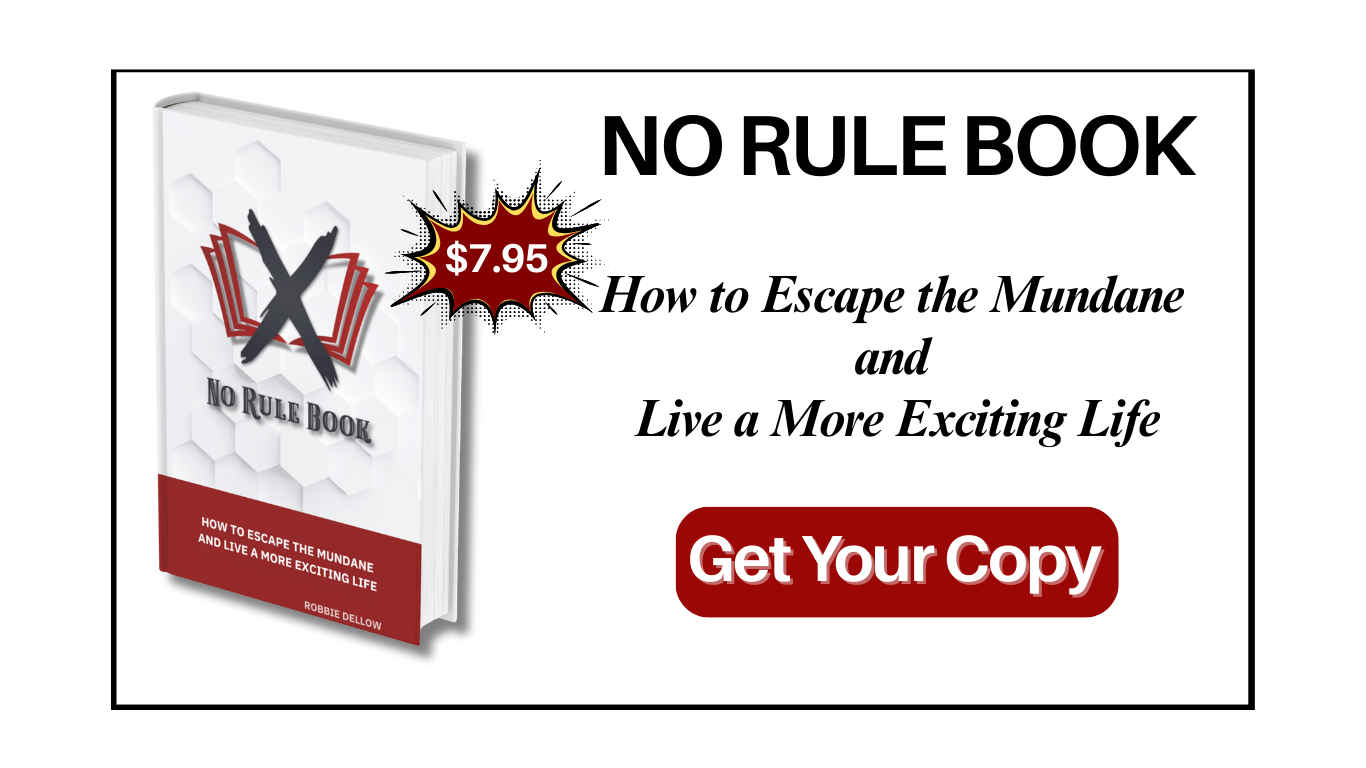
In the NoRuleBook eBook (available here) there is an insightful chapter explaining the societal pressures, especially with regards to social media. Titled “Dangers of a Rule Book’ this is Chapter 3 of this must-read best seller.
-
-20%

No Rule Book
$9.95Original price was: $9.95.$7.95Current price is: $7.95. -
-35%
No Rule Book + No Rules Start-Up
$22.90Original price was: $22.90.$14.95Current price is: $14.95. -
-50%
No Rules Start-Up
$19.95Original price was: $19.95.$9.95Current price is: $9.95.


 Submitted 1.0
 Manual 5.0