

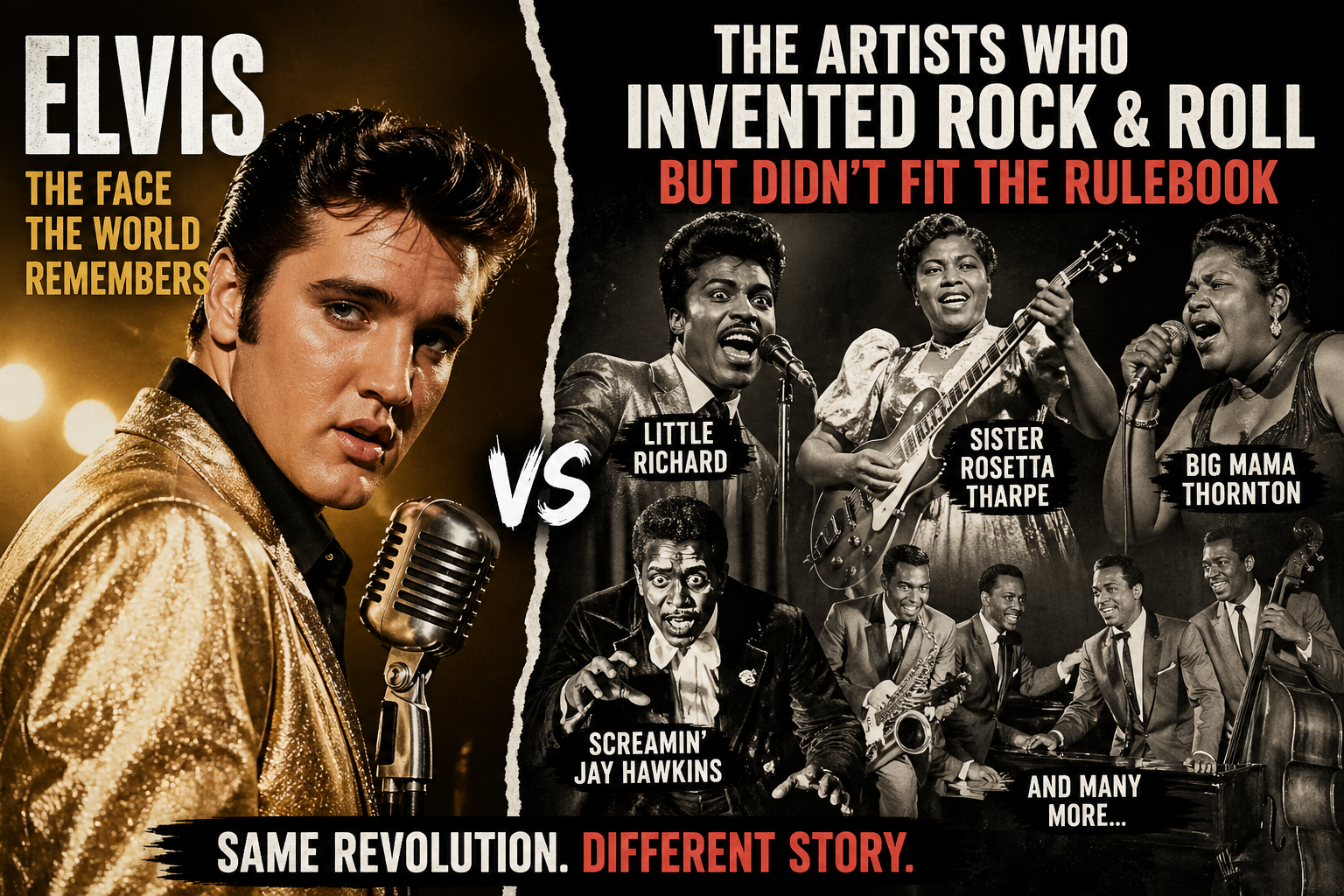
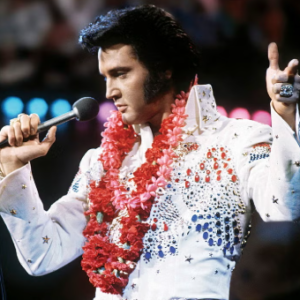
 Everyone knows Elvis Presley.
The hair. The voice. The hips. The story.
A good-looking, polite Southern boy who somehow became the face of rebellion without ever fully scaring the system that made him famous.
That’s the version history remembers.
But if you slow down and look closer – really look – you start to notice something uncomfortable sitting just beneath the surface. Elvis didn’t appear out of nowhere. He didn’t invent rock and roll in a vacuum. He stepped into something that already existed, something louder, wilder, and far less acceptable to the world that was watching.
And that’s where the real story begins.
Before Elvis walked into Sun Records studio, rock and roll wasn’t waiting to be created. It was already alive in small clubs, churches, and back rooms where the rules didn’t matter as much. It lived in voices that didn’t sound polished, in performances that didn’t feel safe, and in artists who weren’t trying to be acceptable.
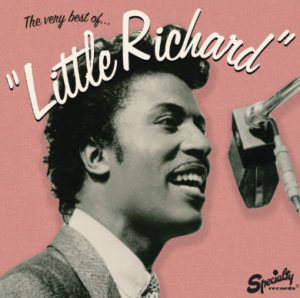 Take Little Richard. He didn’t just perform music – he attacked it. Screaming vocals, pounding piano, unapologetic energy. There was nothing controlled about him. Nothing packaged. He blurred gender lines, challenged expectations, and carried a level of intensity that most audiences at the time didn’t quite know how to process.
Or look at Big Mama Thornton, whose version of Hound Dog carried a rawness that felt almost confrontational. When she sang, it wasn’t about entertainment – it was about power. The kind of power that doesn’t ask for approval.
And then there’s Sister Rosetta Tharpe, a name that should sit at the very foundation of rock history but somehow still feels like a hidden chapter. She was playing electric guitar with a confidence and energy that predated what most people think of as rock and roll. She blended gospel with distortion, performance with presence, and in doing so created something entirely new before the world had a label for it. Read more about this forgotten pioneer, who shaped rock and roll before it even had a name, here.
None of these abovenamed artists were lacking talent. In fact, that’s the point – they had more than enough.
There’s a pattern here, and it’s not limited to music.
Some people arrive with ideas, energy, or an expression that sits outside what the system knows how to handle. They don’t adjust themselves to fit. They don’t dilute what they’re doing to make it more acceptable. And because of this, they often get overlooked, sidelined, or rewritten out of the mainstream story.
Not because they’re wrong.
But because they’re early.
Because they’re difficult to package.
Because they don’t make it easy for others to understand them.
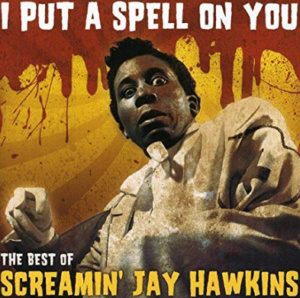 Screamin’ Jay Hawkins is another example of this. His theatrical, almost chaotic stage presence pushed boundaries far beyond what the mainstream could absorb at the time. Today, that kind of performance would likely be celebrated. Back then, it was too far outside the norm.
And when something is too far outside the norm, it rarely gets embraced immediately.
This isn’t just about revisiting the past or correcting the record. It’s about recognizing a pattern that still exists.
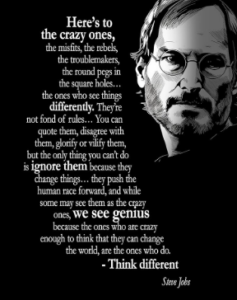 The people who change things are rarely the ones who fit neatly into existing structures. They’re the ones who challenge them, stretch them, or break them entirely. But in the moment, those people often look like outsiders. Like they don’t belong.
Because they don’t.
Not yet.
And that’s the part most people get wrong.
If you’re building something, creating something, or thinking differently and it doesn’t seem to land immediately, it’s easy to assume the problem is you. That you need to adjust, refine, or tone it down to make it more acceptable.
Sometimes that’s true.
But sometimes, you’re just not what the system is ready for.
-
-20%

No Rule Book
Original price was: $9.95.$7.95Current price is: $7.95. -
-35%
No Rule Book + No Rules Start-Up
Original price was: $22.90.$14.95Current price is: $14.95. -
-50%
No Rules Start-Up
Original price was: $19.95.$9.95Current price is: $9.95.


 Submitted 1.0
 Manual 5.0