
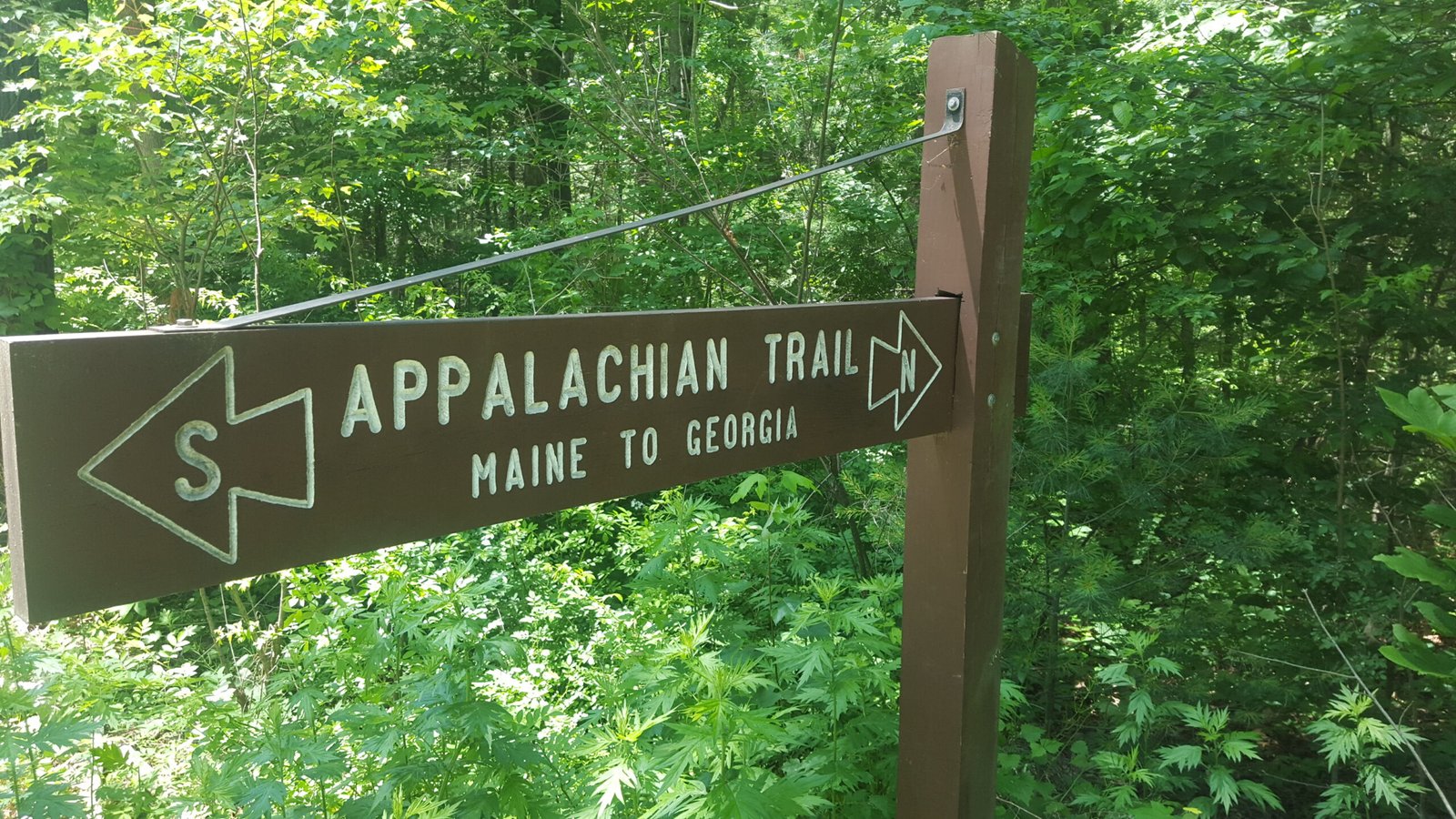
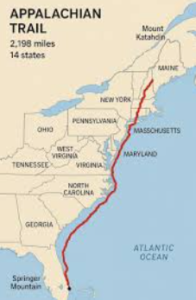
 Before I decided to walk the Appalachian Trail, the longest hike I had ever completed was probably around 30 miles, which makes my decision to attempt a trail stretching roughly 2,200 miles from Georgia to Maine seem, even to me looking back, somewhat ambitious.
My friends certainly thought so. When I announced what I intended to do, several quite reasonably laughed, and I nervously laughed along with them because there was an obvious question hanging over the whole idea: what exactly made me think I could do this?
The truthful answer was that I didn’t know if I could.
Growing up in New Zealand, I had always loved the outdoors, but I wasn’t an experienced long-distance hiker, I had never subjected my body to anything remotely approaching this distance, and I had no previous achievement I could point to as evidence that walking thousands of miles through the mountains was within my capabilities. There was an enormous gap between what I knew I could do and what I was proposing to attempt.
Years later, I would come to realise that this uncertainty was one of the most valuable parts of the entire experience, because we often talk about knowing our limits as though they are boundaries we have carefully discovered through experience, when many of them are really just assumptions built from what we have done before, what seems reasonable and what other people expect someone like us to be capable of doing.
I was about to put some of mine to the test.
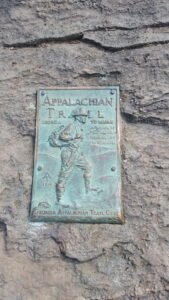
A good friend, Karen, had agreed to walk the first 76-mile Georgia section with me, and on a crisp spring day in 2017 we stood at Springer Mountain at the beginning of a journey whose scale I still don’t think I properly understood.
There were plenty of other hopeful hikers around us during those first few days, many carrying equally ambitious plans, and gradually the crowds began thinning as we moved farther into the mountains. My body also began delivering its first serious assessment of my preparation.
My backpack weighed around 25 kilograms. At home this had somehow seemed acceptable. On steep, rocky mountain trails, my knees had a rather different opinion. By the time we limped into an outfitter store, I was sufficiently uncomfortable to accept that perhaps I didn’t know quite as much about long-distance hiking as I had imagined. An experienced member of staff performed what hikers call a shakedown, going methodically through everything in my pack and questioning why on earth I was carrying some of it.
Two pairs of favorite jeans disappeared. The electric shaver went. So did a large power bank and various other possessions I had apparently believed were essential to survival in the American wilderness. About an hour later I walked out carrying roughly 10 kilograms less. Pasted text
It was one of my earliest lessons from the trail, and an important one because it wasn’t really about hiking equipment. I had gone into something unfamiliar carrying assumptions formed somewhere familiar, and reality had very quickly exposed which of them were wrong.
Being willing to test your limits doesn’t mean stubbornly ignoring evidence or pushing ahead with a bad plan simply because it was your plan. Sometimes the smartest thing you can do when entering unfamiliar territory is admit that somebody else knows considerably more than you do, swallow your pride and listen.
The Appalachian Trail was already teaching me, and I hadn’t even left Georgia.
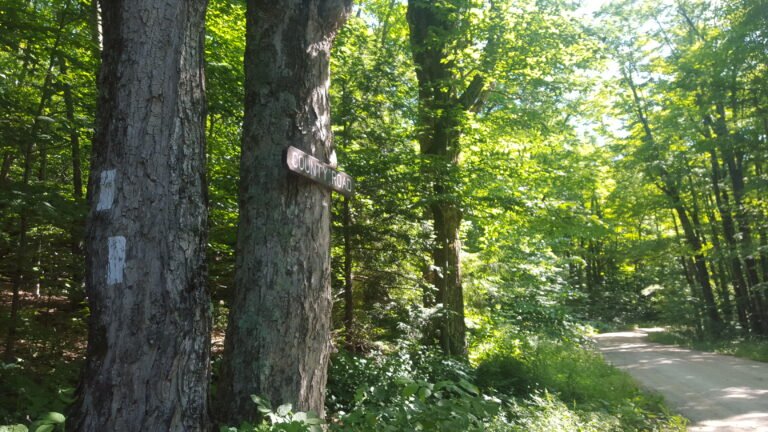
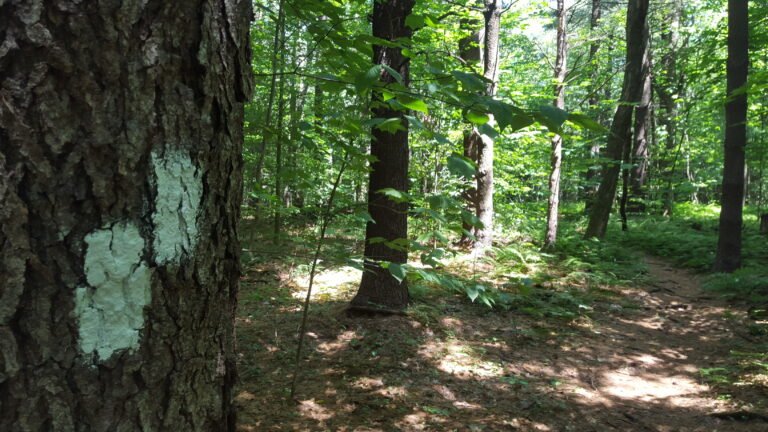
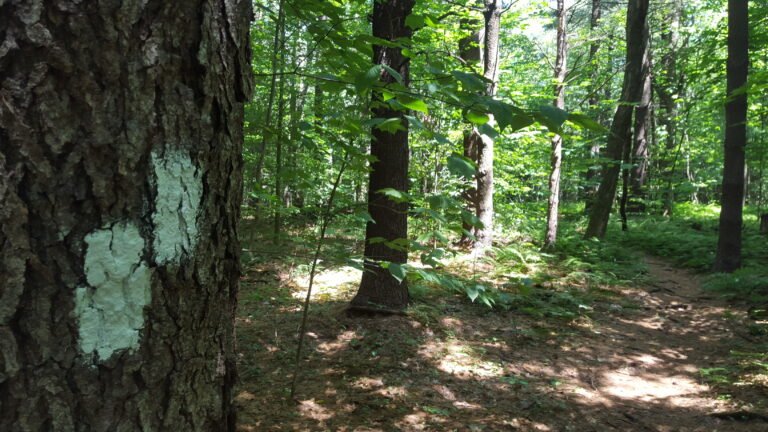
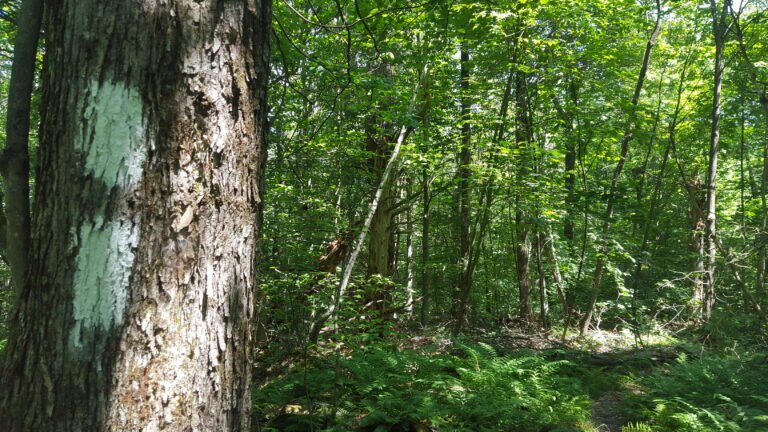
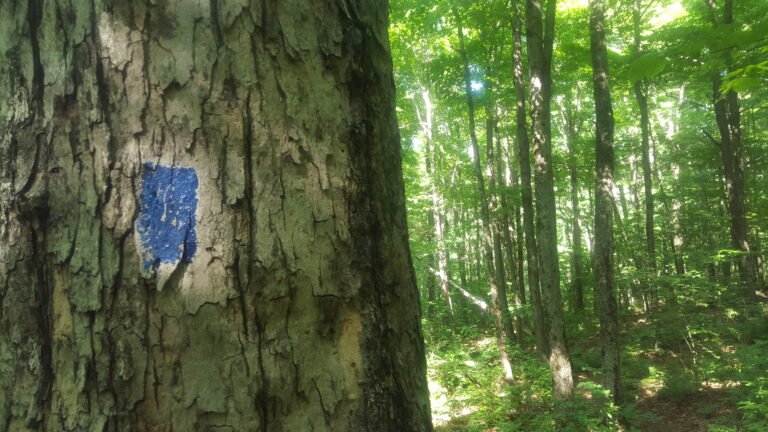
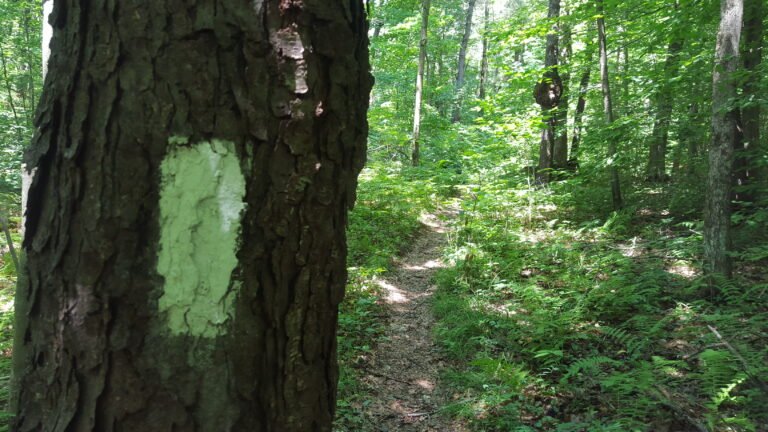
As I continued north through Pennsylvania, New Jersey, New York, Connecticut, Massachusetts and Vermont, the trail kept producing experiences that no itinerary could have predicted.
There were rattlesnakes sunning themselves on rocky ledges, porcupines wandering across the path, butterflies and bright orange newts, nights spent on wooden shelter floors and one particularly memorable evening when I missed a shelter turnoff and ended up sleeping under the stars on a New York clifftop, only for it to start raining.
There were also moments of extraordinary kindness. People living near the trail would sometimes appear at road crossings with food and drinks for complete strangers, something hikers call Trail Magic, while those providing it are appropriately known as Trail Angels. On one occasion at Upper Goose Pond in Massachusetts, a woman arrived by boat carrying a dozen pizzas and several dozen beers for the exhausted hikers staying there. She wanted nothing in return.
In Vermont, after checking into a small hiker hostel and mentioning that I was from New Zealand, I woke the following morning to discover that the owners had taken down their American flag and replaced it with a New Zealand one in honor of their most distant guest. It was such a small gesture, yet thousands of miles from home it affected me enormously, and it still does when I think about it.

Author and the New Zealand flag flying in Vermont guesthouse




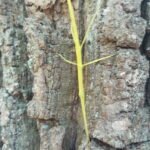

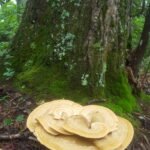

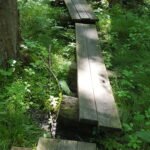
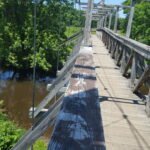
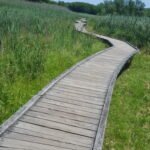
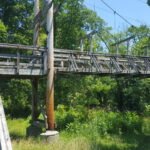
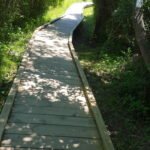
By the time I reached New Hampshire I had already walked well over 1,500 miles, and after so many months on the trail it would have been tempting to think that I had experienced just about everything the Appalachian Trail could throw at me. New Hampshire quickly corrected that assumption.
The White Mountains have a fearsome reputation among Appalachian Trail hikers because the terrain becomes dramatically steeper, rockier and more technical, with climbs that demand far more concentration than simply putting one foot in front of the other. Mount Washington, at 6,288 feet, is the highest point in the Presidential Range and one of the most famous mountains on the entire trail, yet strangely enough I remember the descent being even more demanding than reaching the summit. For hours I had to negotiate jagged rocks where every foot placement mattered, knowing that a careless fall could bring the entire adventure to a very abrupt end.
By this stage, however, my response to difficult terrain had changed considerably from those first nervous weeks in Georgia. Thousands of miles hadn’t made me fearless or somehow immune to danger; they had simply given me enough experience to slow down, assess what was immediately in front of me and work through it without allowing the scale of everything still ahead to overwhelm me.
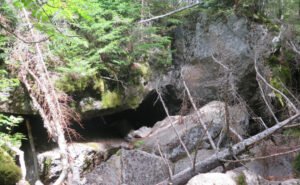
Tight squeeze through one of the many rock gaps to negotiate
That approach became particularly useful when I reached Mahoosuc Notch, often described as the hardest mile on the Appalachian Trail. Calling it a mile of hiking is rather generous, because it is really a giant natural obstacle course formed by enormous boulders, requiring hikers to climb over rocks, squeeze through narrow gaps and occasionally remove their backpacks and lower them into crevasses before following them through. Once you finally emerge from the Notch, the reward is Mahoosuc Arm, a brutally steep ascent that gains roughly 1,500 feet in a single mile. Pasted text
I occasionally thought during sections like this about the inexperienced hiker who had arrived at Springer Mountain carrying two pairs of jeans and an electric shaver. If you had shown that version of me photographs of what I would eventually be climbing through, I suspect I would have questioned whether I had any business being there at all.
Yet that comparison misses something important, because the person who arrived at Mahoosuc Notch was no longer the same hiker who had started in Georgia. Every previous climb, mistake, painful day, equipment adjustment and difficult section had contributed something, until situations I once might have considered beyond my abilities had become problems that simply needed to be worked through.
Capability had accumulated gradually, almost without me noticing it happen.
Eventually I crossed into Maine, the fourteenth and final state, with approximately 282 rugged miles still separating me from the end of the Appalachian Trail. After everything that had already happened, quitting now seemed almost unimaginable, but Maine was not interested in providing an easy victory lap.
One of its great psychological landmarks is the famous 100 Mile Wilderness, a remote section with few opportunities to resupply and a warning at the entrance advising hikers to carry enough food for the journey. That meant loading my pack with considerably more food than I normally carried, which immediately reminded my shoulders and back that every additional kilogram still had to travel over every mountain with me.
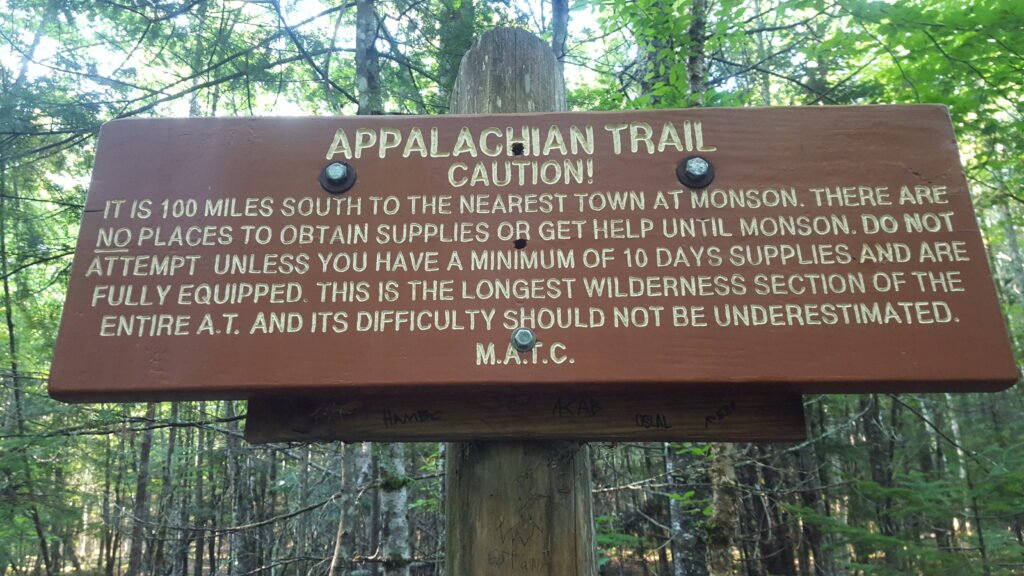
You know it is serious when there is a warning sign!
The terrain also demanded more care than speed. Endless exposed roots and rough ground created countless opportunities to twist an ankle, and by then I understood that stubbornly maintaining my previous daily mileage simply because I had been capable of it elsewhere would have been foolish. I reduced the distance I was covering each day, concentrated on where I was placing my feet and allowed myself to move through the wilderness at the pace the conditions required.
That may sound like a small decision, but it reflected something I had gradually learned over the previous couple of thousand miles: Persistence and speed are not the same thing. Sometimes continuing toward a goal means pushing harder, while at other times it means having enough patience to slow down rather than allowing pride or an arbitrary target to create an unnecessary problem.
After roughly a week I emerged from the 100 Mile Wilderness, having also had the bonus of seeing wild moose along the way, and soon stumbled upon a rest stop serving a buffet breakfast. To someone who had spent months burning enormous numbers of calories every day, the sight of unlimited food was almost as memorable as some of the mountain views. I ate an embarrassing amount before continuing the remaining distance to Katahdin Stream Campground, where I joined other hikers preparing for the final climb.
After all those miles, all those states and all the uncertainty that had existed when I began, there was now only one mountain between me and completing the Appalachian Trail.
I woke early on my final morning to beautiful weather and began walking through the forest toward Katahdin, the mountain that had existed in my imagination for years but was now physically rising in front of me.
Katahdin isn’t the highest mountain on the Appalachian Trail, but by the time a northbound hiker reaches it, height is almost irrelevant because the mountain represents everything that has happened before it. Every wet morning, every painful descent, every wooden shelter floor, every encounter with wildlife, every stranger who offered kindness and every occasion when continuing seemed considerably less attractive than stopping had somehow led to this final climb.
The terrain became increasingly steep and technical as I gained elevation, eventually requiring rock scrambling through sections where I preferred not to spend too much time contemplating what would happen if I fell. Even after negotiating the most difficult part there was still a substantial amount of climbing ahead, but eventually the famous wooden sign at Baxter Peak appeared.
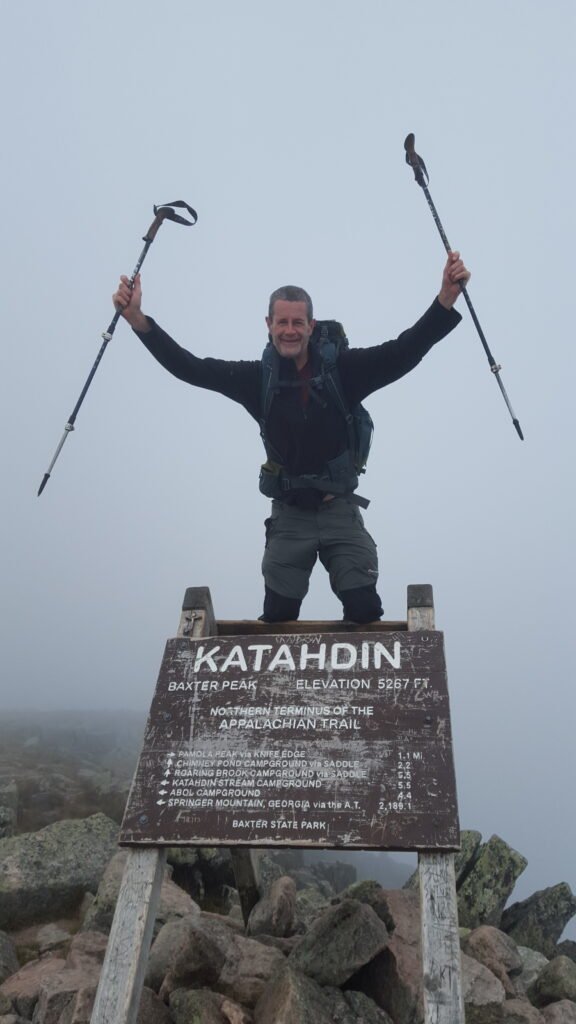
I made it!
2200 miles hiked.
For Appalachian Trail hikers, that simple sign marks the end of an extraordinary journey, and standing beside it after travelling all the way from Georgia was one of those moments where the numbers suddenly become almost difficult to comprehend. I had walked roughly 2,200 miles through 14 states, worn out seven pairs of hiking shoes and watched my body weight fall from approximately 84 kilograms at the beginning to around 70 kilograms by the end.
Yet standing there, the most interesting distance to me was no longer the geographical distance between Georgia and Maine. It was the distance between the person who had stood at Springer Mountain wondering what he had got himself into and the person now standing on Katahdin knowing exactly what had been required to get there.
That difference could never have been discovered beforehand, because I couldn’t think, research or plan my way into knowing what 2,200 miles would eventually teach me about myself. I had to walk them.
-
-20%

NoRuleBook
Original price was: $9.95.$7.95Current price is: $7.95. -
-50%

No Rules Start-Up
Original price was: $19.95.$9.95Current price is: $9.95. -
-35%

NoRuleBook Bundle
Original price was: $22.90.$14.95Current price is: $14.95.

 Submitted 1.0
 Manual 5.0